Foundation Cracks2026-11-03T08:51:42-06:00

Foundation Crack Repair: Causes, Types & Permanent Fixes

Most foundation cracks can be repaired, and not every crack is a sign of major structural damage. The key is understanding what type of crack you're seeing. While some cracks are strictly cosmetic, others suggest foundation movement that deserves a professional evaluation. NV Waterproofing and Foundation Repair pinpoints the cause and recommends the right long-term repair to help protect your home.

Symptoms

Signs You Shouldn't Ignore

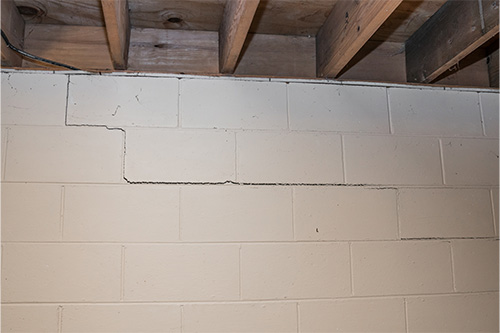
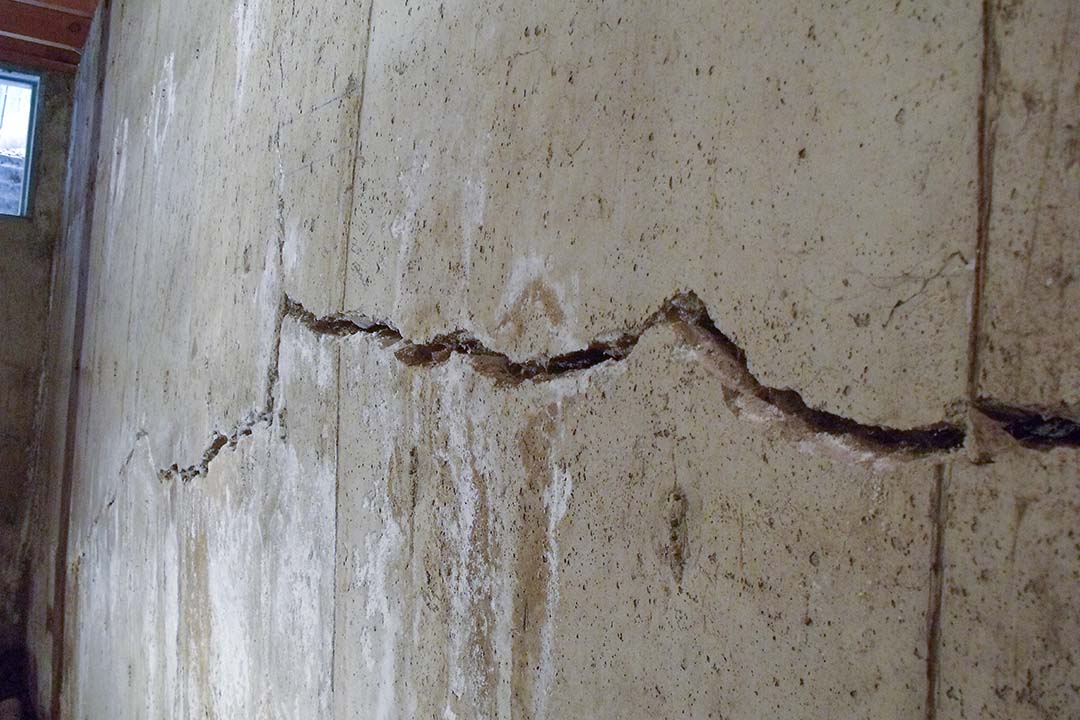
Foundation cracks can be perfectly harmless, but a few signal structural movement. Cracks warrant closer attention if they're wider than ¼ inch, run horizontally, continue to grow, leak water or show up alongside other foundation problems like sticking doors, sloping floors or a leaning chimney.

As a general rule, hairline, vertical cracks that hold steady are often cosmetic, while horizontal, widening, leaking or growing cracks should be professionally evaluated. If you're unsure which type you have, a professional inspection is the best way to tell whether repairs are necessary.

Causes

What Causes Foundation Cracks?

Foundation cracks happen for a variety of reasons. Some are simply part of concrete curing and aging, while others result from foundation movement or pressure around your home. Knowing what's causing the crack is the first step toward determining whether it's cosmetic or requires a structural fix.

  • Routine Concrete Curing & Shrinkage

    As concrete cures, it shrinks a small amount naturally. This process can create small hairline or vertical foundation cracks that are often cosmetic and don’t affect the structural integrity of your home.

    These cracks most often appear within the first few years after construction and typically stay narrow and stable over time. While they’re typically harmless, sealing them can help prevent water intrusion and keep them from developing into larger issues.

  • Foundation Settlement

    When the soil beneath your home shifts or settles inconsistently, different parts of the foundation can move at different rates. This movement often creates vertical, diagonal or stair-step cracks that may signal foundation settlement.

    Settlement can occur because of fluctuating moisture levels, poorly compacted soil, erosion or other site conditions. If settlement continues, cracks may widen and other symptoms such as sticking doors, uneven floors or gaps around windows can develop.

  • Hydrostatic Pressure 

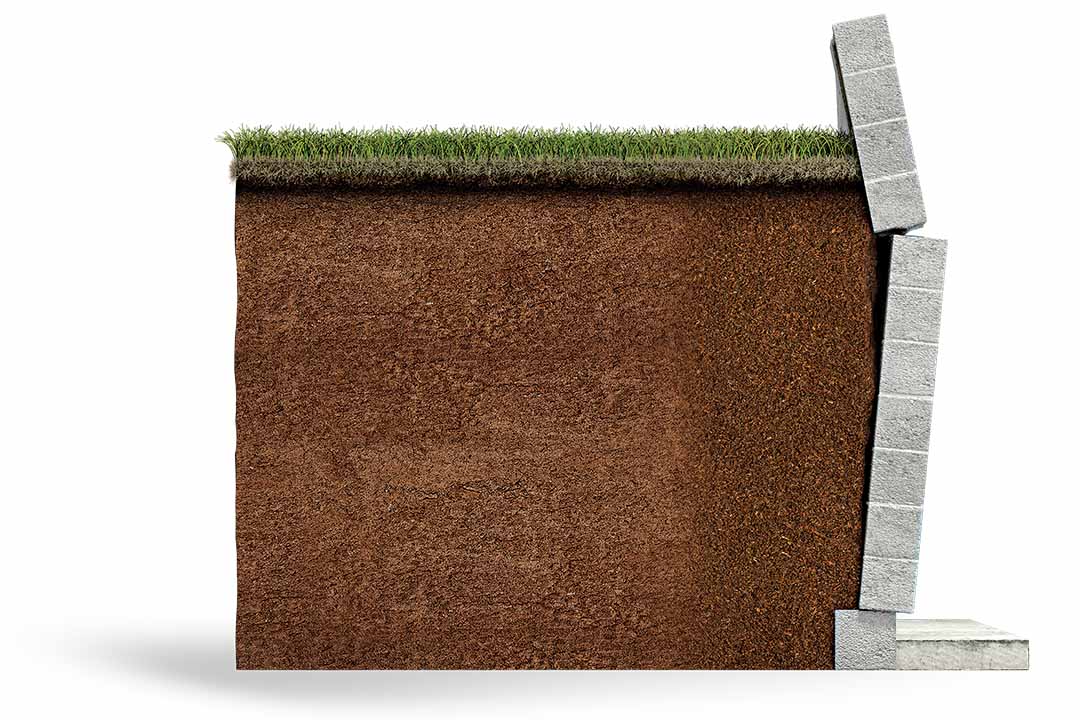
    When water collects in the soil surrounding your foundation, it creates hydrostatic pressure against basement walls. Over time, this pressure can cause cracks, inward bowing or further structural movement.

    Hydrostatic pressure is most prevalent after heavy rainfall or where drainage is poor. Because soaked soil is far heavier than dry soil, it places ongoing stress on foundation walls. Upgrading drainage and stabilizing the wall can help prevent more movement.

  • Expansive Soils & Seasonal Ground Movement

    Many soils expand when wet and shrink as they dry. Combined with seasonal temperature changes and freeze-thaw cycles in colder climates, this constant movement places repeated strain on foundations.

    Over time, soil that expands and contracts can play a role in foundation settlement, wall cracks and slab movement. Homes in areas with expansive clay soils or frequent seasonal moisture swings are particularly susceptible to this type of foundation damage.

Why Foundation Cracks Deserve Attention

Foundation cracks rarely get better on their own. While many begin as minor surface-level cracks, structural cracks can keep widening as soil movement and foundation settlement continue. Addressing problems early often prevents more damage and costlier repairs down the road.
  • Ignoring foundation cracks may lead to:

    • Wider or longer foundation cracks
    • Water intrusion and basement moisture issues
    • Bowing or shifting foundation walls
    • Further foundation settlement and structural movement
    • Larger and more expensive repairs down the road

    The sooner foundation cracks are professionally evaluated, the easier it is to identify the underlying cause and recommend the right repair before the damage progresses.

Foundation Crack Repair Solutions

Every foundation crack has an underlying cause, and lasting repairs begin with identifying it. Some cracks are caused by foundation settlement, while others are caused by soil pressure or structural movement. After a thorough inspection, we'll recommend the right solution to stabilize your home and help prevent repeat cracking, not just address the visible symptoms.

How It Works

How We Fix Foundation Cracks

Benefits

Why Homeowners Trust NV Waterproofing and Foundation Repair

Body Copy Specific to Each Dealer

What To Expect

Ready to get started?

Schedule a free estimate to start your repair journey with Thrasher.

Schedule your inspection

Fill out our form or give us a call to book your inspection. Share what you’ve noticed so we can send the right expert to your home.

Full home
inspection

An expert will inspect the problem area and surrounding conditions, including soil movement, drainage, structural integrity, and any related concerns.

Clear explanation
of findings

We’ll walk you through what we’re seeing in easy-to-understand language so you know the root cause of the issue, not just the symptoms.

Review recommendations

If repairs are needed, we’ll outline your options, pricing, and timeline so you can make the best decision for your home.

Schedule your free inspection—

It'll only take
a minute

Meet with a trusted expert, and get
clear answers about your home.

"*" indicates required fields

1Your Info
2Schedule Your Inspection
3Review & Submit

Customer Information

Don't just take our word for it

See what our customers have to say about our work.

Before & after photos

Check out before and after photos from some of our completed projects.
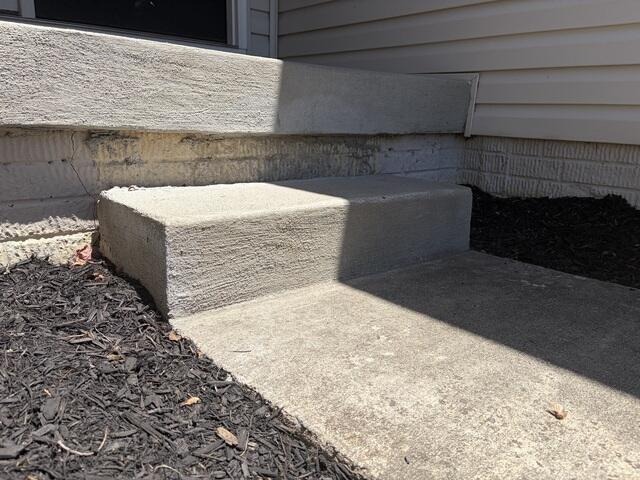
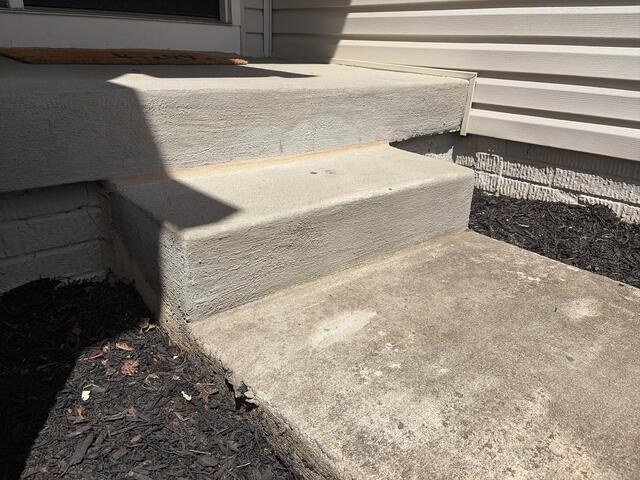
  • Sunken Concrete Step Repair in Stephens City, VA

    This Stephens City, VA homeowner was dealing with a sunken concrete front step that had settled over time, creating an uneven entryway and a noticeable tripping hazard near the front door. Sunken concrete steps can make everyday foot traffic unsafe for homeowners, guests, and delivery drivers, while also taking away from the home’s curb appeal. Our concrete repair team lifted and leveled the front step back to its proper position, creating a safer, more stable walkway and entrance. This concrete step repair helped reduce the risk of falls, improved the look of the front entry, and gave the home a cleaner, more welcoming appearance. The homeowner was thrilled with the outcome — a big transformation that improved both safety and curb appeal!

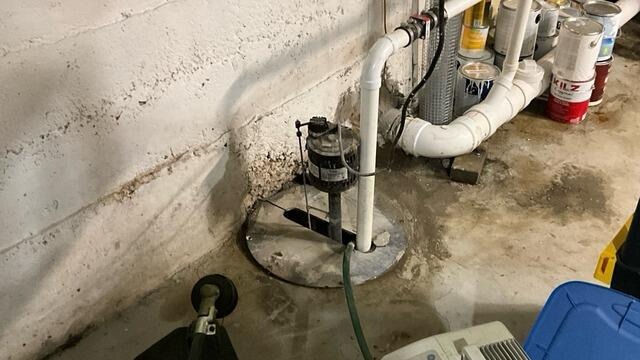
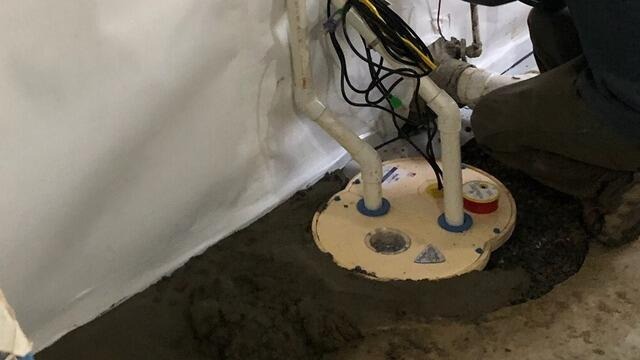
  • Basement Waterproofing in Winchestor, VA

    A homeowner in Winchester, VA, was struggling with a failing sump pump that couldn’t keep up during heavy rainstorms, leaving their basement vulnerable to water intrusion. The lack of a reliable backup system also left them worried about potential flooding during power outages. Frustrated and seeking a dependable solution, they contacted NV Waterproofing and Foundation Repair, a trusted basement waterproofing company in Winchester, VA.

    After assessing the situation, we replaced their old sump pump with a state-of-the-art TripleSafe Sump Pump system. This advanced system includes three levels of protection: a primary pump, a secondary pump for heavy water flow, and a battery backup to ensure the basement stays dry even during power outages. The homeowner now has peace of mind knowing their basement is fully protected, no matter the weather.

  • Pool Deck Leveling in Manassas, VA

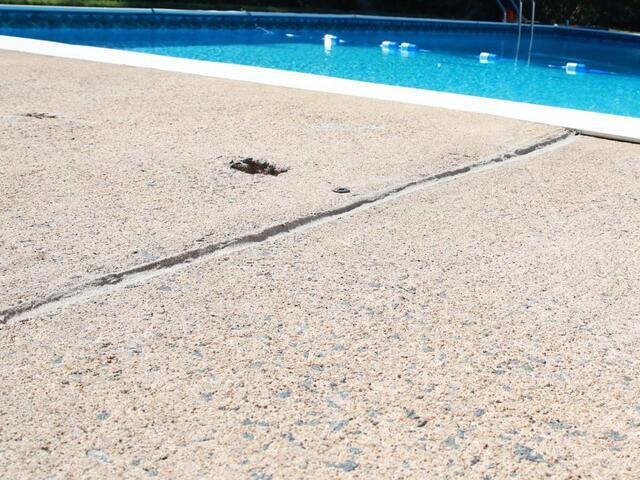
    A homeowner in Manassas, VA, quickly realized their dream backyard pool was at risk when the surrounding concrete pool deck began to show serious problems. Uneven and sunken slabs created tripping hazards and unsightly cracks, making both safety and aesthetics a challenge for anyone using the space. Additionally, water from rain and pool use was pooling in low spots, causing slippery surfaces and further soil erosion beneath the deck. These issues not only threatened the safety of family and guests but also compromised the value and enjoyment of the home.

    Seeking an effective solution, the homeowner reached out to our team for a professional assessment. We identified the main cause of settlement: soil erosion under the slabs—a common issue in Manassas due to its clay-rich ground and fluctuating moisture. To address both the immediate hazards and prevent future damage, we recommended our two-part approach: the cutting-edge PolyLevel® concrete leveling system and NexusPro® Joint Sealant.

    The repair process began with drilling small holes into the affected concrete slabs, allowing us to inject high-strength PolyLevel® polyurethane foam beneath the surface. As the foam expanded, it filled voids, stabilized the soil, and gently lifted the slabs back to their original positions. The process was quick, clean, and minimized disruption, giving the pool deck a level, safe surface once again. PolyLevel® foam is waterproof and lightweight, reducing the risk of future settling and ensuring long-term durability, even in a wet poolside environment.

    To provide further protection, we sealed all cracks and joints with NexusPro® Joint Sealant. This flexible, weather-resistant sealant prevents water from seeping beneath the slabs, protecting the soil and concrete from additional erosion. The result was a clean, finished appearance that not only improved the look of the deck but also safeguarded it for years to come.

    Thanks to modern concrete leveling technology, the homeowner’s pool deck was transformed from a liability into a safe and attractive outdoor gathering space. The project was completed in a single day, with minimal mess and immediate results, giving the homeowner peace of mind and renewed pride in their backyard. If you’re facing similar issues with your pool deck in Manassas, VA, the PolyLevel® system and NexusPro® Joint Sealant offer a fast, effective, and lasting

Our service area

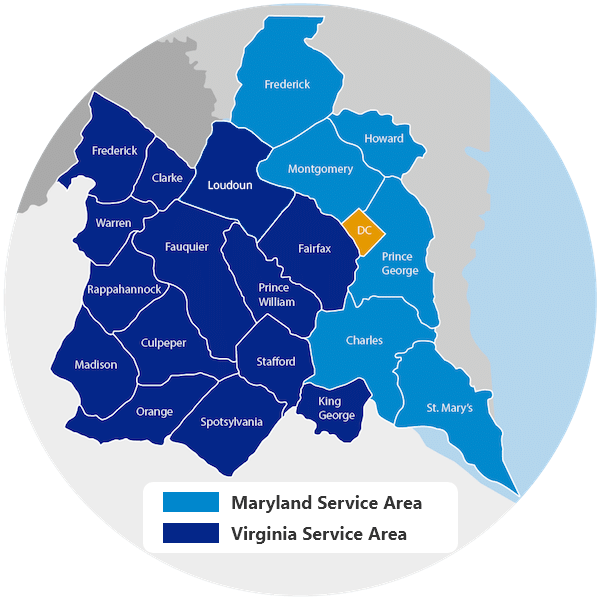
Proudly Serving Northern Virginia, D.C., and Suburban Maryland

Frequently Asked Questions

Can I repair a foundation crack myself? 2026-09-25T09:51:42-05:00

Small cosmetic cracks may look easy to patch, but surface repairs don’t address the underlying cause. If a crack is growing, leaking or caused by foundation movement, a professional repair helps prevent added damage and repeat issues. 

Are foundation cracks normal? 2026-09-25T09:50:36-05:00

Foundation cracks can be an expected part of a home’s aging process. Hairline and small vertical cracks frequently result from concrete curing or minor settlement. However, horizontal, widening or leaking cracks may point to structural movement and should be professionally evaluated to find out whether repairs are needed. 

How much does foundation crack repair cost? 2026-09-25T09:50:05-05:00

Foundation crack repair costs vary depending on the crack type, its location and whether structural stabilization is needed. Repairs involving foundation settlement or bowing walls are generally more significant than cosmetic repairs. The best way to get an accurate estimate is with a free professional inspection. 

I think there’s water coming through the foundation crack. What should I do? 2026-09-25T09:48:11-05:00

Water entering through a foundation crack should never be ignored. While the crack gives water a way in, the underlying cause is often hydrostatic pressure or poor drainage around the foundation. Depending on what’s causing the leak, waterproofing or drainage improvements may also be recommended to help avoid future problems. A professional inspection can determine whether the crack, the drainage or both should be addressed to provide a long-term solution. 

What types of foundation cracks should I be worried about? 2026-09-25T09:47:47-05:00

While some foundation crack types are harmless, some need attention right away. Cracks wider than ¼ inch, horizontal cracks, actively widening cracks, water leaks or cracks accompanied by sticking doors, sloping floors or bowing walls may indicate structural movement. Isolated, vertical hairline cracks are often cosmetic, but a professional inspection can confirm what’s behind it. 

I have horizontal cracks in my foundation wall. What causes this? 2026-09-25T09:47:22-05:00

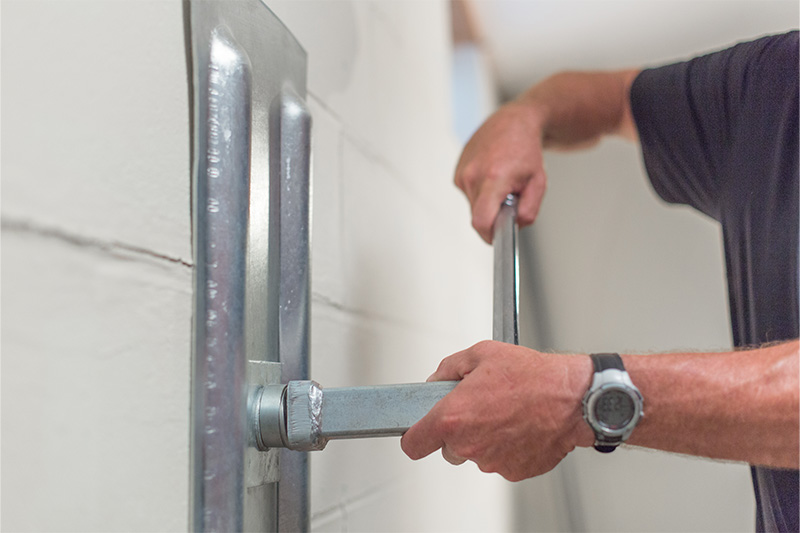
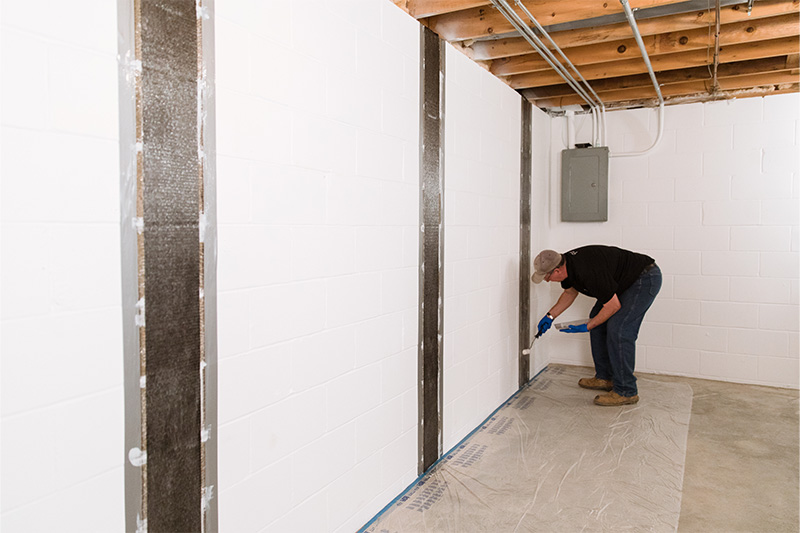
Horizontal foundation cracks are commonly caused by hydrostatic pressure or expanding soil bearing against foundation walls. Unlike many vertical cracks, horizontal cracks frequently indicate structural movement and may need wall stabilization. Depending on the severity, repairs may include CarbonArmor®, PowerBrace®, GeoLock® Wall Anchors or EverBrace®. 

I have vertical cracks in my foundation wall. What causes this? 2026-09-25T09:46:58-05:00

Vertical foundation cracks are usually caused by normal concrete shrinkage or minor settlement and usually aren’t structural. However, some may suggest continued movement or allow water to enter your basement. A professional inspection can determine whether the crack is cosmetic or whether the deeper foundation issue needs attention. 

Related pages

Service Areas

NV Waterproofing has locations throughout Northern Virginia, D.C., and Suburban Maryland.

Resources

Access valuable resources to help keep your home healthy and your family safe.

Our Promise

At NV Waterproofing, we pride ourselves on providing permanent solutions, and stand behind our work with industry-leading, fully transferable warranties and guarantnees.

Schedule your free inspection today

Don’t let unanswered questions about your
home worry you any longer.
Go to Top