Cellular Concrete2026-11-02T15:31:44-06:00

Commercial Cellular Concrete in [Target Location]

Engineered, lightweight cellular concrete supplies pumpable fill for [Target Location] projects where conventional concrete or compacted aggregate isn't practical.

What Is Cellular Concrete?

Cellular concrete is a lightweight concrete produced with cement, water and preformed foam. The foam substitutes for the stone aggregate used in conventional concrete, creating millions of stable air cells that lower the material's density.

What results is a lightweight cellular concrete that is pumpable, self-leveling and self-compacting, making it well suited to a range of commercial and infrastructure applications.

When to Use Cellular Concrete on a Commercial Project

Cellular concrete is often considered when a project needs fill but conventional aggregate creates challenges with weight, compaction, access or placement. Because it’s lighter than traditional fill, cellular concrete places less weight on the ground and nearby structures. It also flows into place with no need for mechanical compaction.

Its pumpability also makes it practical for remote or confined areas, including abandoned pipelines, tanks, tunnels, mine voids and annular spaces that conventional equipment cannot easily reach.
Our Cellular Concrete Solutions

  • For Embankments, Grade Raises & Large-Volume Fill

    Lightweight Fill & Load Relief

    Low-density cellular concrete reduces the weight added to soft or unstable ground, making it a fit for embankments, grade raises and other large-volume fills. It can also be pumped across challenging sites, providing an efficient way to build up grades without bringing in and compacting large quantities of aggregate.
  • For Bridge Approaches, Abutments & Wingwalls

    Bridge Approach & Abutment Backfill

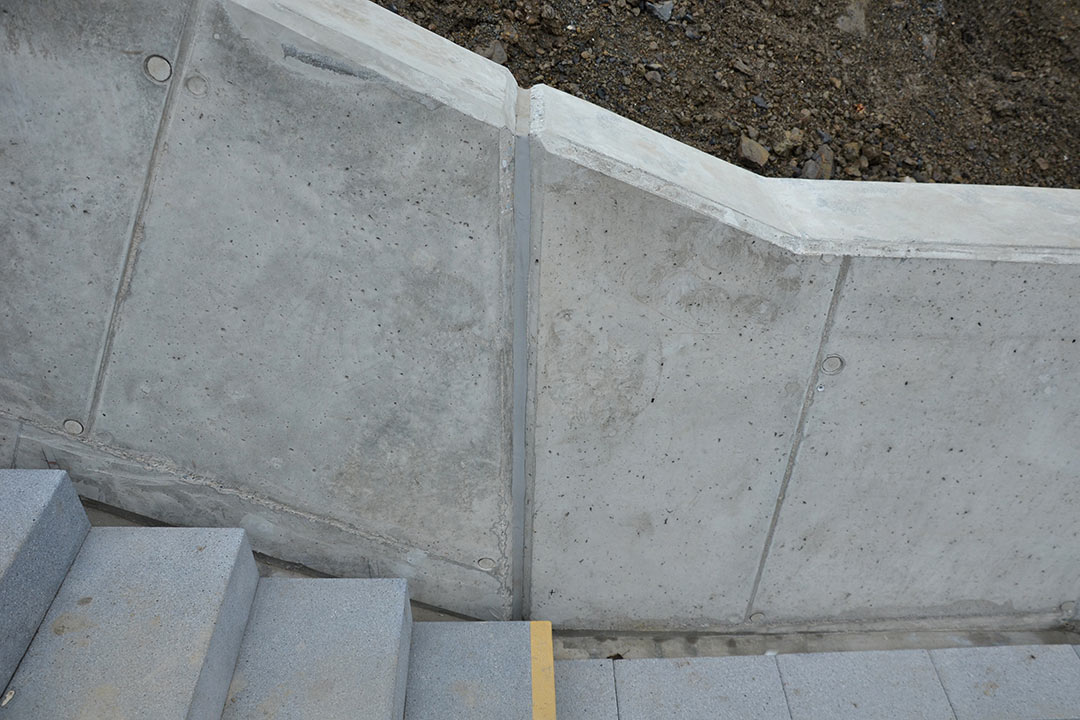
    Settlement at bridge approaches can create rough transitions between the roadway and bridge structure. Lightweight cellular concrete lowers the weight placed on the soils below while also reducing pressure against abutments and wingwalls, which makes it useful for new bridge construction, approach reconstruction and rehabilitation projects.

  • For MSE Walls & Other Retaining Structures

    MSE Wall & Retaining Wall Backfill

    The weight of conventional backfill can place additional pressure on retaining walls and the soils supporting them. Cellular concrete is a lighter alternative that reduces those loads and flows into place without heavy compaction equipment working directly behind the wall.

  • For Tunnels, Casings, Culverts & Difficult-to-Reach Voids

    Void Fill & Annular Space Filling

    Cellular concrete can be pumped into annular spaces, tunnels, casings, liners, culverts and irregular voids that conventional fill can’t easily reach. Its flowable consistency helps it travel around obstructions and through confined spaces from a remote placement point. For voids under slabs and pavement, explore commercial Polylevel injection.

  • For Abandoned Infrastructure & Underground Voids

    Pipe, Tank & Mine Abandonment

    Decommissioned pipelines, underground storage tanks, shafts and mine voids often need to be permanently filled before closure. Cellular concrete can be pumped into these enclosed spaces from the surface or another accessible location, which makes it practical for filling large underground volumes without hauling conventional fill into the void.
  • For Pipelines, Conduits & Buried Utilities

    Trench Backfill & Pipe Bedding

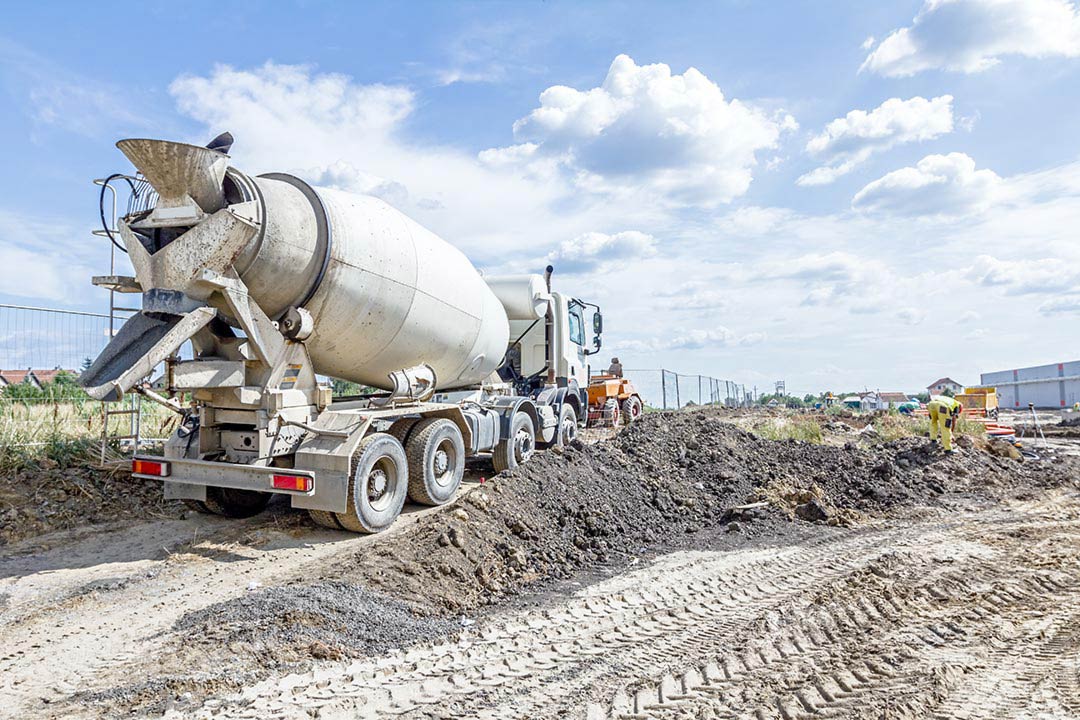
    Cellular concrete flows around pipes, conduits, crossings and other buried utilities to deliver consistent trench backfill or pipe bedding. Because it does not need to be placed and compacted in layers, it can simplify backfilling in deep, narrow or congested trenches where working around utilities is difficult.

How NV Waterproofing and Foundation Repair Places Cellular Concrete in [Target Location]

Cellular Concrete vs. Other Fill Materials

Compared with select fill or compacted aggregate, cellular concrete is lighter, pumpable and requires no mechanical compaction. Conventional CLSM, or flowable fill, offers similar placement advantages but at higher densities, while lightweight aggregate still needs hauling, placement and compaction.

EPS geofoam offers greater weight reduction but requires block-by-block installation and site access. Material, transportation, labor and placement requirements all affect the overall cost of each option.

Cellular Concrete You Can Trust in [Target Location]

A successful cellular concrete placement starts with understanding the project requirements, site conditions and application. NV Waterproofing and Foundation Repair coordinates with engineers, contractors and project owners to develop the right approach, coordinate on-site batching and pumping and meet project specifications from placement through documentation.

Contact NV Waterproofing and Foundation Repair to review your cellular concrete project in [Target Location] and request a quote.

Schedule your free inspection—

It'll only take
a minute

Meet with a trusted expert, and get
clear answers about your home.

"*" indicates required fields

1Your Info
2Schedule Your Inspection
3Review & Submit

Customer Information

Don't just take our word for it

See what our customers have to say about our work.

Before & after photos

Check out before and after photos from some of our completed projects.
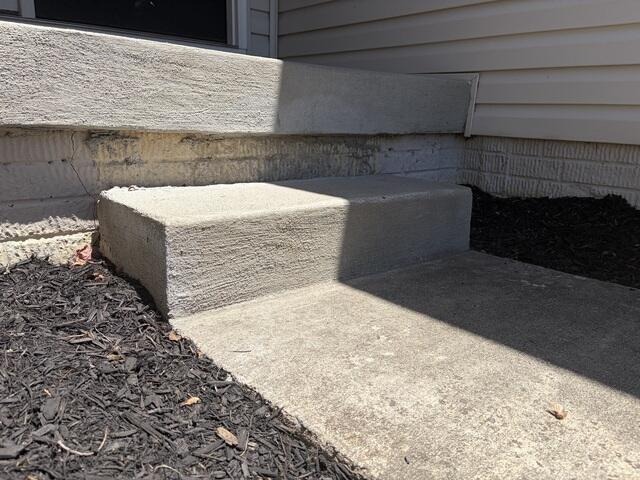
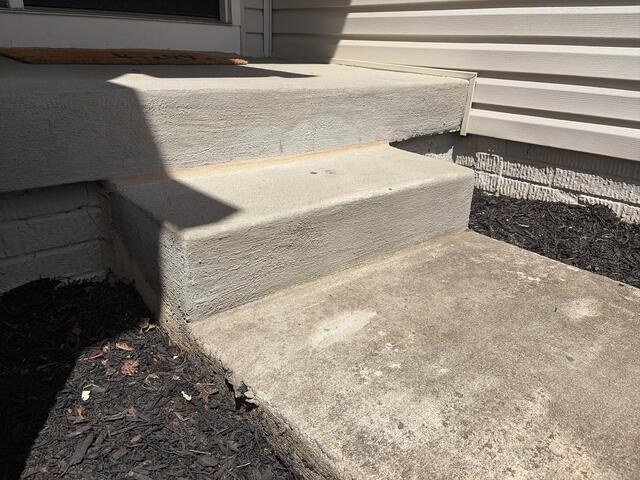
  • Sunken Concrete Step Repair in Stephens City, VA

    This Stephens City, VA homeowner was dealing with a sunken concrete front step that had settled over time, creating an uneven entryway and a noticeable tripping hazard near the front door. Sunken concrete steps can make everyday foot traffic unsafe for homeowners, guests, and delivery drivers, while also taking away from the home’s curb appeal. Our concrete repair team lifted and leveled the front step back to its proper position, creating a safer, more stable walkway and entrance. This concrete step repair helped reduce the risk of falls, improved the look of the front entry, and gave the home a cleaner, more welcoming appearance. The homeowner was thrilled with the outcome — a big transformation that improved both safety and curb appeal!

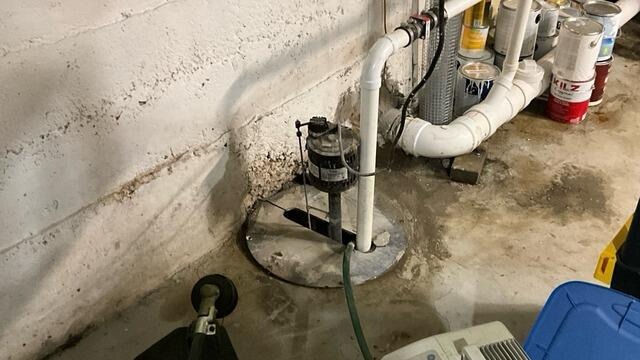
  • Basement Waterproofing in Winchestor, VA

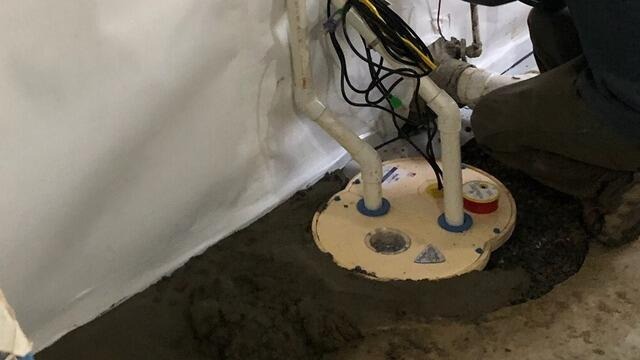
    A homeowner in Winchester, VA, was struggling with a failing sump pump that couldn’t keep up during heavy rainstorms, leaving their basement vulnerable to water intrusion. The lack of a reliable backup system also left them worried about potential flooding during power outages. Frustrated and seeking a dependable solution, they contacted NV Waterproofing and Foundation Repair, a trusted basement waterproofing company in Winchester, VA.

    After assessing the situation, we replaced their old sump pump with a state-of-the-art TripleSafe Sump Pump system. This advanced system includes three levels of protection: a primary pump, a secondary pump for heavy water flow, and a battery backup to ensure the basement stays dry even during power outages. The homeowner now has peace of mind knowing their basement is fully protected, no matter the weather.

  • Pool Deck Leveling in Manassas, VA

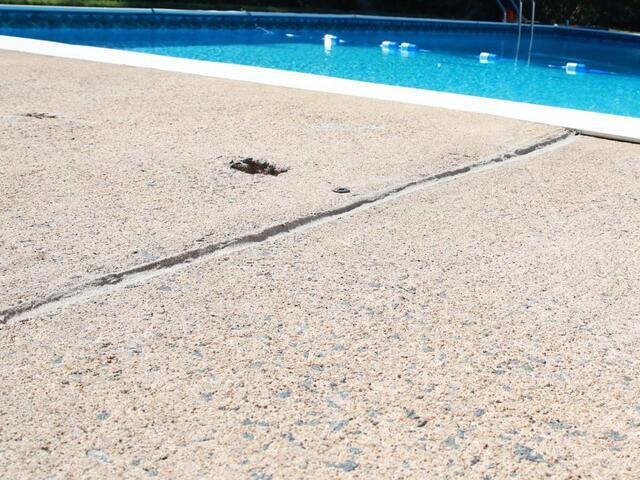
    A homeowner in Manassas, VA, quickly realized their dream backyard pool was at risk when the surrounding concrete pool deck began to show serious problems. Uneven and sunken slabs created tripping hazards and unsightly cracks, making both safety and aesthetics a challenge for anyone using the space. Additionally, water from rain and pool use was pooling in low spots, causing slippery surfaces and further soil erosion beneath the deck. These issues not only threatened the safety of family and guests but also compromised the value and enjoyment of the home.

    Seeking an effective solution, the homeowner reached out to our team for a professional assessment. We identified the main cause of settlement: soil erosion under the slabs—a common issue in Manassas due to its clay-rich ground and fluctuating moisture. To address both the immediate hazards and prevent future damage, we recommended our two-part approach: the cutting-edge PolyLevel® concrete leveling system and NexusPro® Joint Sealant.

    The repair process began with drilling small holes into the affected concrete slabs, allowing us to inject high-strength PolyLevel® polyurethane foam beneath the surface. As the foam expanded, it filled voids, stabilized the soil, and gently lifted the slabs back to their original positions. The process was quick, clean, and minimized disruption, giving the pool deck a level, safe surface once again. PolyLevel® foam is waterproof and lightweight, reducing the risk of future settling and ensuring long-term durability, even in a wet poolside environment.

    To provide further protection, we sealed all cracks and joints with NexusPro® Joint Sealant. This flexible, weather-resistant sealant prevents water from seeping beneath the slabs, protecting the soil and concrete from additional erosion. The result was a clean, finished appearance that not only improved the look of the deck but also safeguarded it for years to come.

    Thanks to modern concrete leveling technology, the homeowner’s pool deck was transformed from a liability into a safe and attractive outdoor gathering space. The project was completed in a single day, with minimal mess and immediate results, giving the homeowner peace of mind and renewed pride in their backyard. If you’re facing similar issues with your pool deck in Manassas, VA, the PolyLevel® system and NexusPro® Joint Sealant offer a fast, effective, and lasting

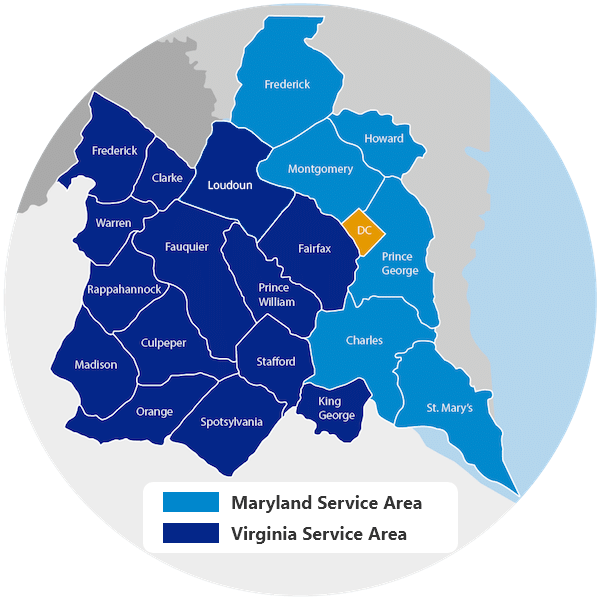
Our service area

Proudly Serving Northern Virginia, D.C., and Suburban Maryland

Commercial Cellular Concrete FAQs

Do you serve [Target Location]? 2026-10-29T23:50:48-05:00

NV Waterproofing and Foundation Repair provides commercial cellular concrete services for qualifying projects in [Target Location] and surrounding areas. Visit our service area or contact our team to review your project location, scope and placement requirements. 

Does cellular concrete meet ACI, ASTM and DOT specifications? 2026-10-07T07:47:36-05:00

Cellular concrete can be designed, produced and verified to applicable project specifications and referenced industry standards. Requirements vary from application to application, agency to agency and jurisdiction to jurisdiction, including individual DOT specifications. NV Waterproofing and Foundation Repair can review the project documents to identify the mix, testing and documentation requirements for your project. 

How long does cellular concrete take to cure before we can build on it? 2026-10-07T07:46:59-05:00

The required cure time depends on the mix design, placement conditions and the loads the material must support. Rather than working from a universal timeframe, construction sequencing should follow the project specifications and required strength criteria for subsequent work. 

How far can cellular concrete be pumped, and can it be placed uphill or in confined spaces? 2026-10-07T07:46:17-05:00

Cellular concrete can be pumped long distances and into locations that may be difficult to reach with trucks or conventional placement equipment, even in confined spaces and across changes in elevation. Actual pumping distance and elevation come down to the mix, equipment, placement rate, line configuration and site conditions. 

What densities and compressive strengths can NV Waterproofing and Foundation Repair provide? 2026-10-07T07:45:44-05:00

Cellular concrete can be produced at a range of densities and compressive strengths based on the application and project specifications. NV Waterproofing and Foundation Repair goes through the project requirements to determine the appropriate mix design and quality-control requirements for the placement. 

How much does cellular concrete cost compared to select fill or conventional concrete? 2026-10-07T07:45:06-05:00

Cost depends on total volume, mix requirements, site access, pumping distance and local material and hauling costs. Material price alone doesn’t tell the whole story. Cellular concrete can also lower costs associated with hauling aggregate, lift placement, compaction equipment and compaction testing. NV Waterproofing and Foundation Repair can put together pricing based on your project requirements. 

Is cellular concrete the same as flowable fill or CLSM? 2026-10-07T07:44:34-05:00

Not really. Both cellular concrete and conventional controlled low-strength material (CLSM), often called flowable fill, can provide self-compacting fill. Cellular concrete incorporates preformed foam to create a much lighter material, making it useful where reducing dead load or lateral pressure is an important project requirement. 

What is cellular concrete used for in commercial and infrastructure projects? 2026-10-07T07:43:58-05:00

Cellular concrete is frequently used for lightweight embankment and grade-raise fill, bridge approaches, retaining wall backfill, utility trenches, pipe bedding, annular space grouting, void fill and abandonment applications. It is particularly useful where reducing loads, eliminating mechanical compaction or pumping material into difficult-to-access areas is important. 

What is cellular concrete, and how is it made? 2026-10-07T07:43:05-05:00

Cellular concrete is a lightweight, cement-based material made with cement, water and preformed foam. The foam forms millions of stable air cells throughout the mix, taking the place of the stone aggregate found in conventional concrete. The result is a material that is lightweight, flowable, pumpable and self-compacting. 

Related pages

Service Areas

NV Waterproofing has locations throughout Northern Virginia, D.C., and Suburban Maryland.

Resources

Access valuable resources to help keep your home healthy and your family safe.

Our Promise

At NV Waterproofing, we pride ourselves on providing permanent solutions, and stand behind our work with industry-leading, fully transferable warranties and guarantnees.

Schedule your free inspection today

Don’t let unanswered questions about your
home worry you any longer.
Go to Top