

Sinking & Sagging Floors Over Your Crawl Space
Sagging, sinking, uneven or bouncy floors can be signs that the structure beneath your home needs attention. The good news? Sagging floors above a crawl space can be fixed. NV Waterproofing and Foundation Repair can determine what's causing the problem and recommend the right crawl space repair for your home.
<a id="Symptoms">
Symptoms
Signs of Sinking and Sagging Floors
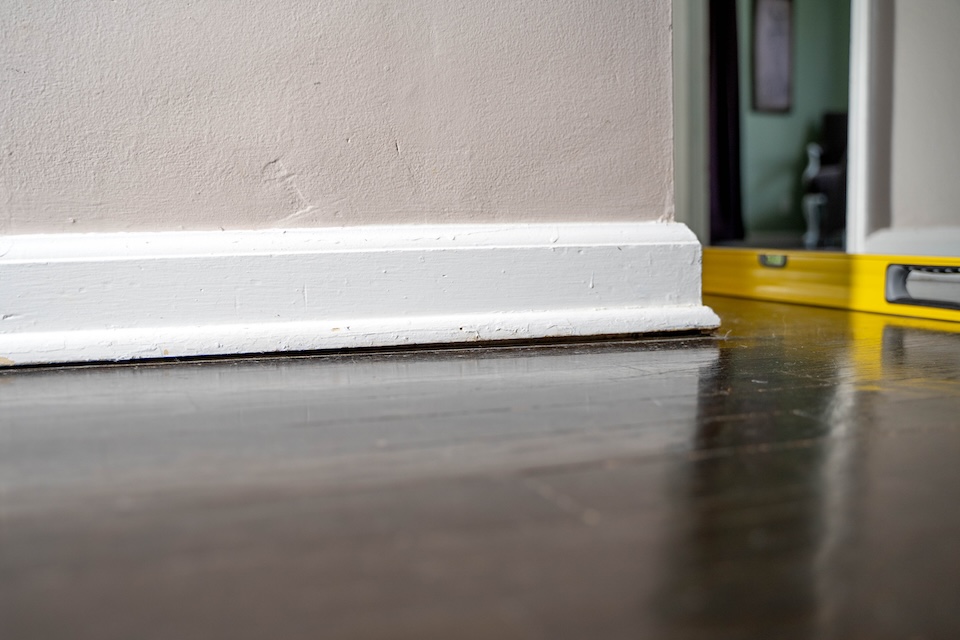
Sagging floors aren't always obvious right away. You may notice a floor that seems uneven or bouncy, gaps forming around walls or cabinets or doors that suddenly stick. These changes can develop gradually, so knowing what to look for can help you catch a floor support problem sooner.
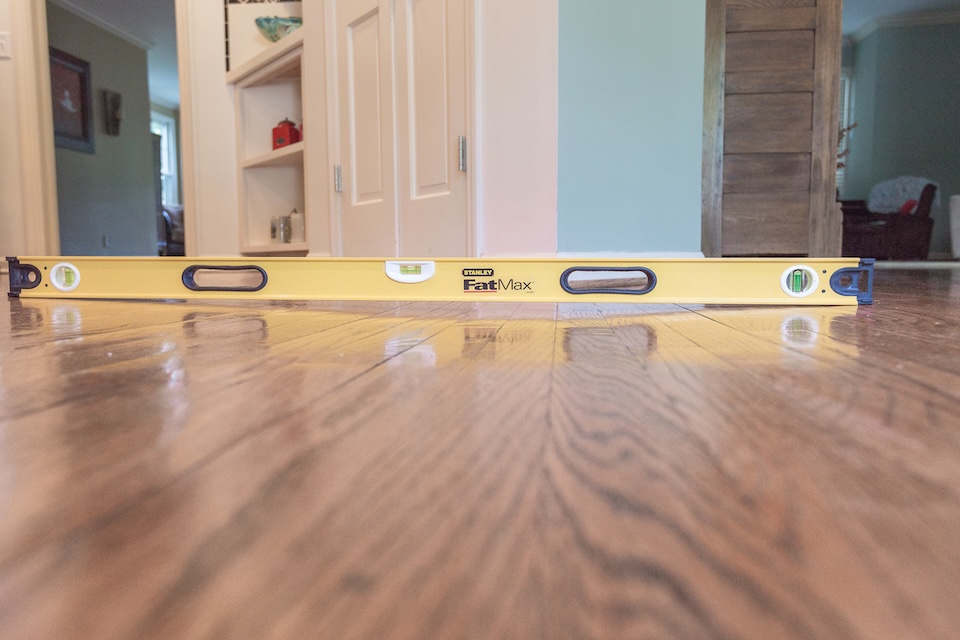
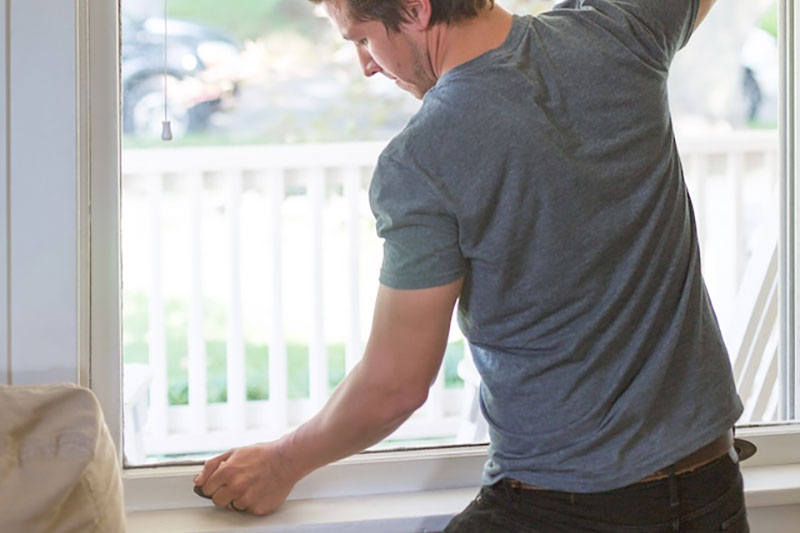
Doors and Windows That Stick or Won’t Latch

Drywall Cracks Above the Affected Area
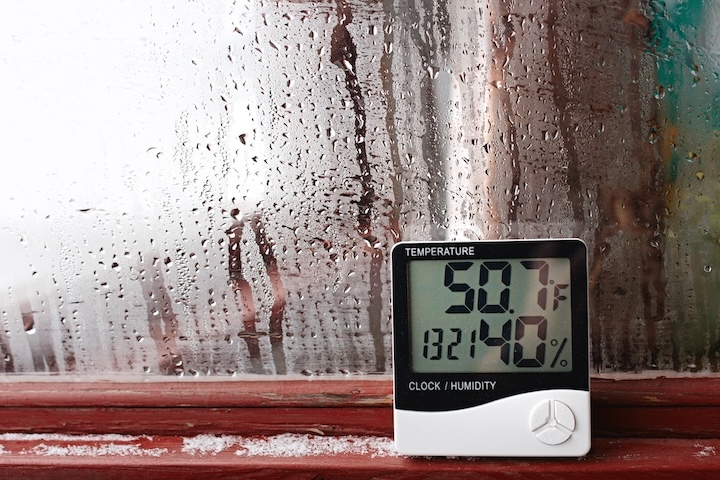
Musty Odors or High Crawl Space Humidity
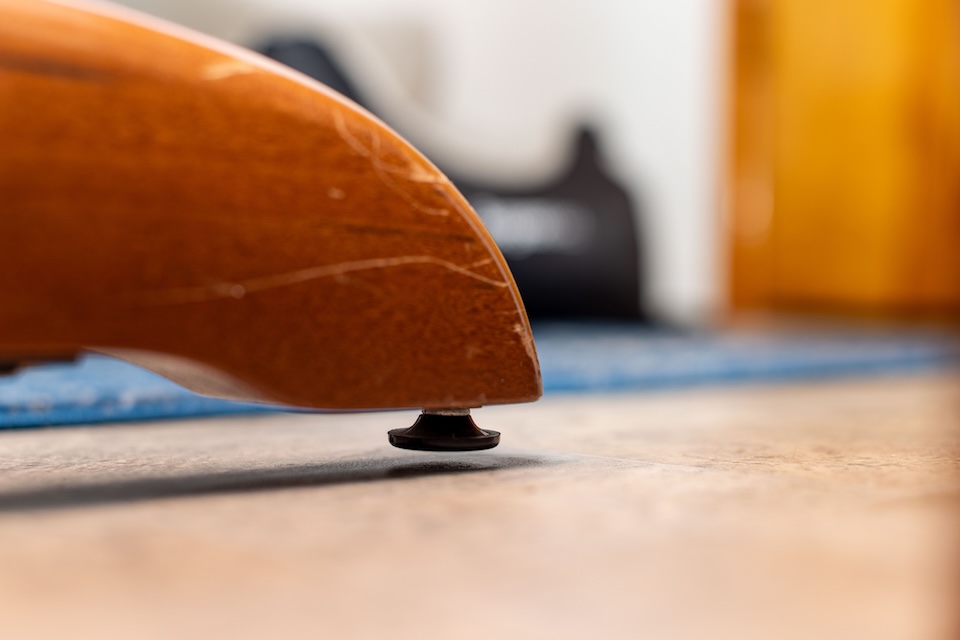
Furniture or Appliances That Sit Unevenly
<a id="Causes">
Causes
What Causes Sagging Floors Over a Crawl Space?
What causes sagging floors can vary from home to home and across [Target Location]. Moisture can deteriorate floor joists, supports can sink or fail, or the floor system may have never had enough support to begin with. In some homes, multiple problems happen at once. Figuring out why your floor is sagging is the first step toward the right crawl space structural repair.
Crawl Space Moisture & Wood Rot
A wet or humid crawl space can cause floor joists, beams and other wood framing to soak up moisture over time. As wood remains wet, it can lose strength, soften or begin to rot. Rotting floor joists and beams may no longer carry the load they once did, allowing the floor above to sag, bounce or feel spongy.
Moisture can get into a crawl space through groundwater, outside air, plumbing leaks or evaporation from exposed soil. When the source goes unaddressed, structural wood can stay damp enough for decay to continue. A professional inspection can determine whether moisture has damaged the floor system and what repairs are needed to restore support and control the moisture.
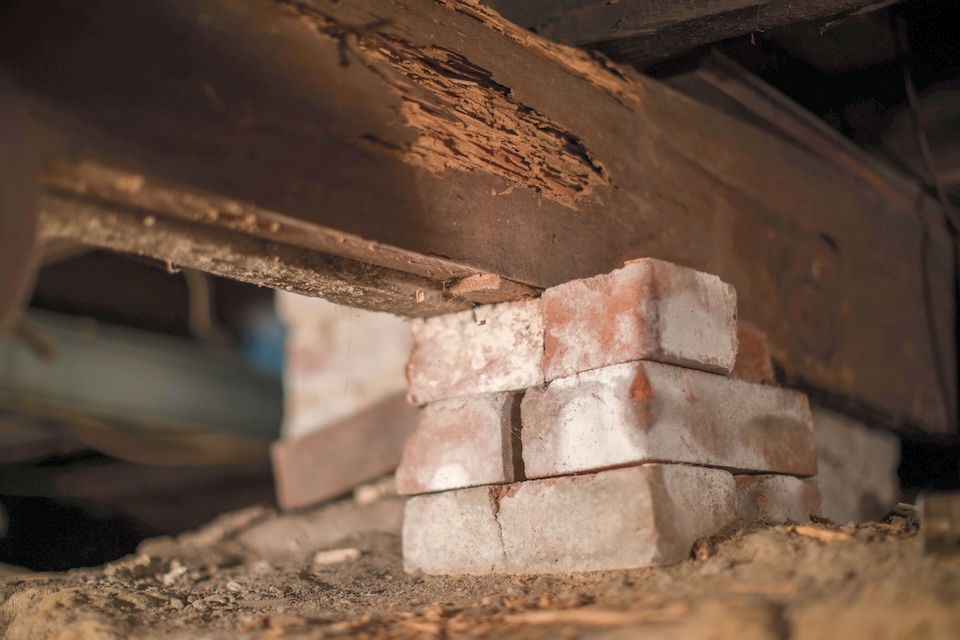
Over-Spanned Joists and Supports Spaced Too Far Apart
Floor joists and beams are engineered to span specific distances between supports. When those spans are too long or support columns are set too far apart, the framing can move more than intended. Over time, the floor above may begin sagging between supports, producing noticeable dips, slopes or a bouncy feel underfoot.
A long span doesn’t necessarily mean the wood itself is damaged. The floor system may just need additional support to reduce movement and help carry the load more effectively. An inspection can identify where sagging floor joists or beams need support and whether correctly placed crawl space support posts can help stabilize and level out the floor system.

Settling Supports, Soft Soil & Inadequate Footings
The supports beneath your floor are only as stable as what they rest on. Weak or loosely compacted soil can settle, and undersized or insufficient footings can shift or sink. When crawl space columns sink along with them, beams and joists can lose the support they need, sometimes causing the floor to dip noticeably toward the center of the house.
Settlement may occur gradually as soil beneath a footing compresses or shifts. Even relatively small movement below the crawl space can affect the floor system above. If settling supports are behind sinking floors, the repair needs to address the support beneath the framing, not simply cover up the uneven floor at the living-space level.
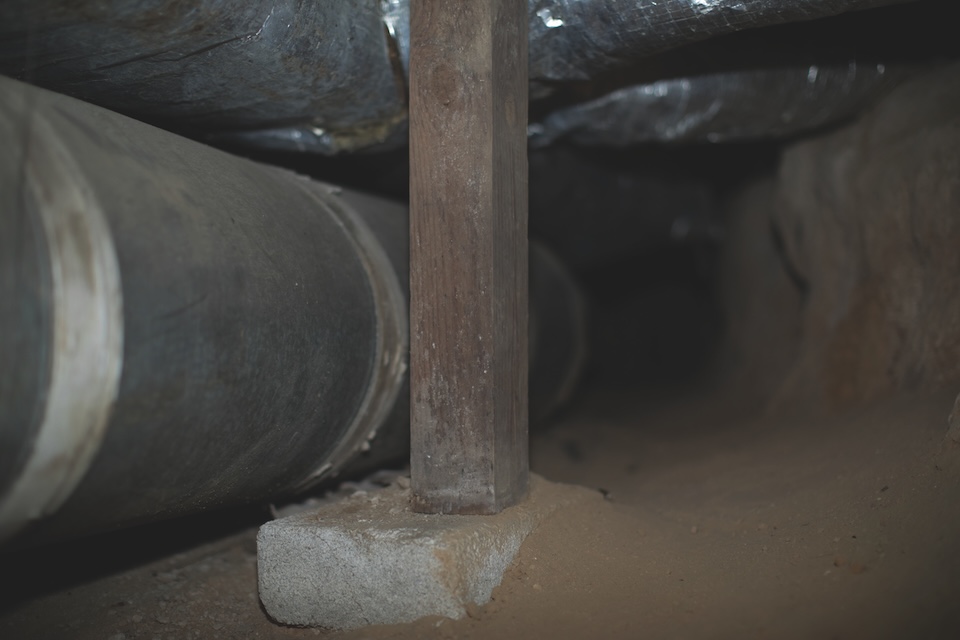
Failing or Makeshift Supports
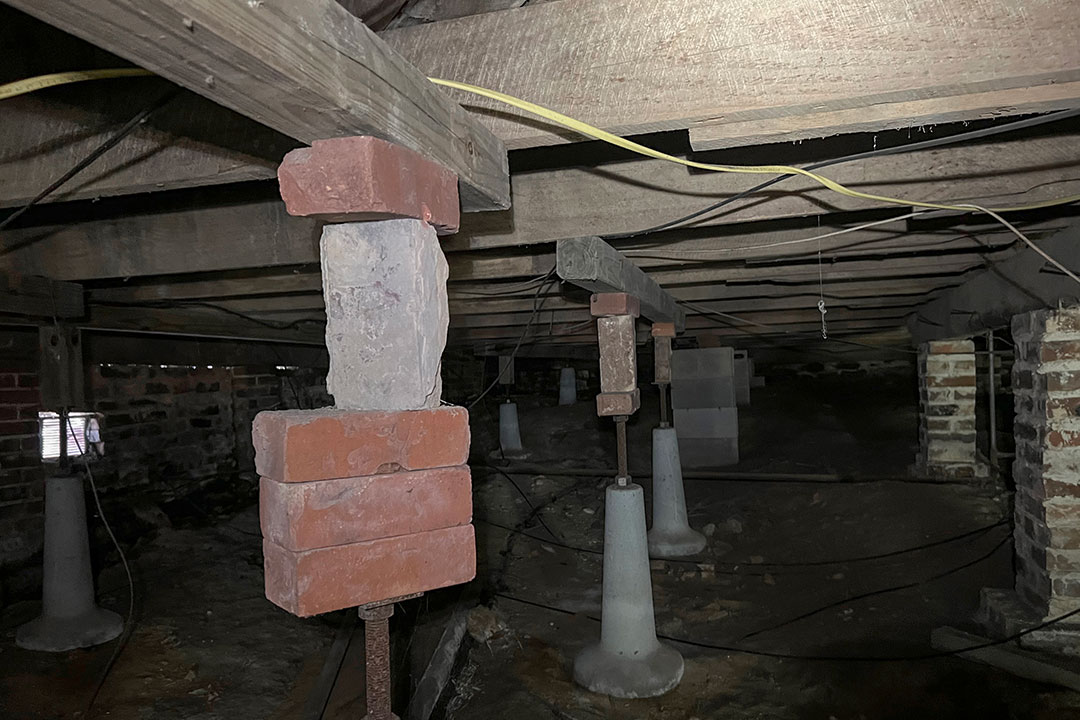
Not every crawl space support was built for reliable, long-term structural support. Wood posts can break down, while stacked blocks, shims, or other improvised supports can shift or lose stability. When these supports can no longer adequately carry the floor system, beams and joists may drop and create sagging or uneven floors above.
Temporary repairs may also be added over the years in an attempt to correct an already-sagging floor. If they aren’t properly sized, positioned or supported, they may not solve the underlying structural problem. Swapping inadequate supports with engineered crawl space support posts can provide a more stable way to carry and, where possible, help lift sagging floors.
Termites & Wood-Destroying Pests
Termites and other wood-destroying pests can damage joists, beams, sill plates and other structural wood beneath your home. As damaged wood loses its strength, it may be less capable of supporting the floor above. Depending on the amount and location of the damage, floors may start to sag, bounce, slope or develop soft spots.
Pest damage is often difficult to spot from inside the home because most of the affected wood is hidden in the crawl space. A structural inspection can pinpoint damaged framing and determine what needs repair or additional support. Active termites or other infestations should also be evaluated and treated by a qualified pest-control professional.
What Happens When Sagging Floors Are Ignored?
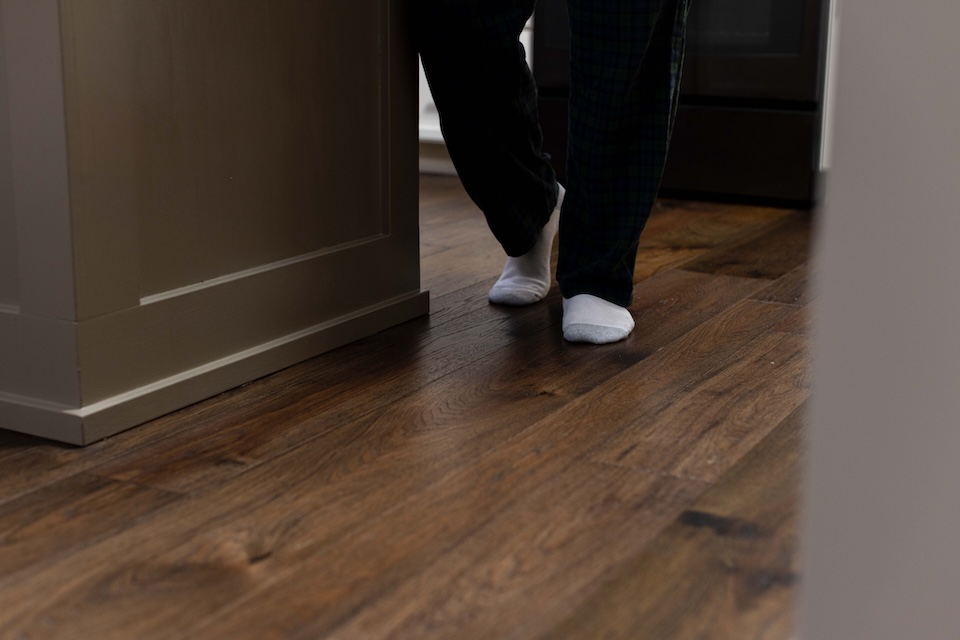
Stage 1
Early Warning Signs
A soft or springy spot may be the first sign that your floor system needs attention. You might notice a small dip or bit of movement underfoot, while doors, walls and other areas of the house still seem normal.
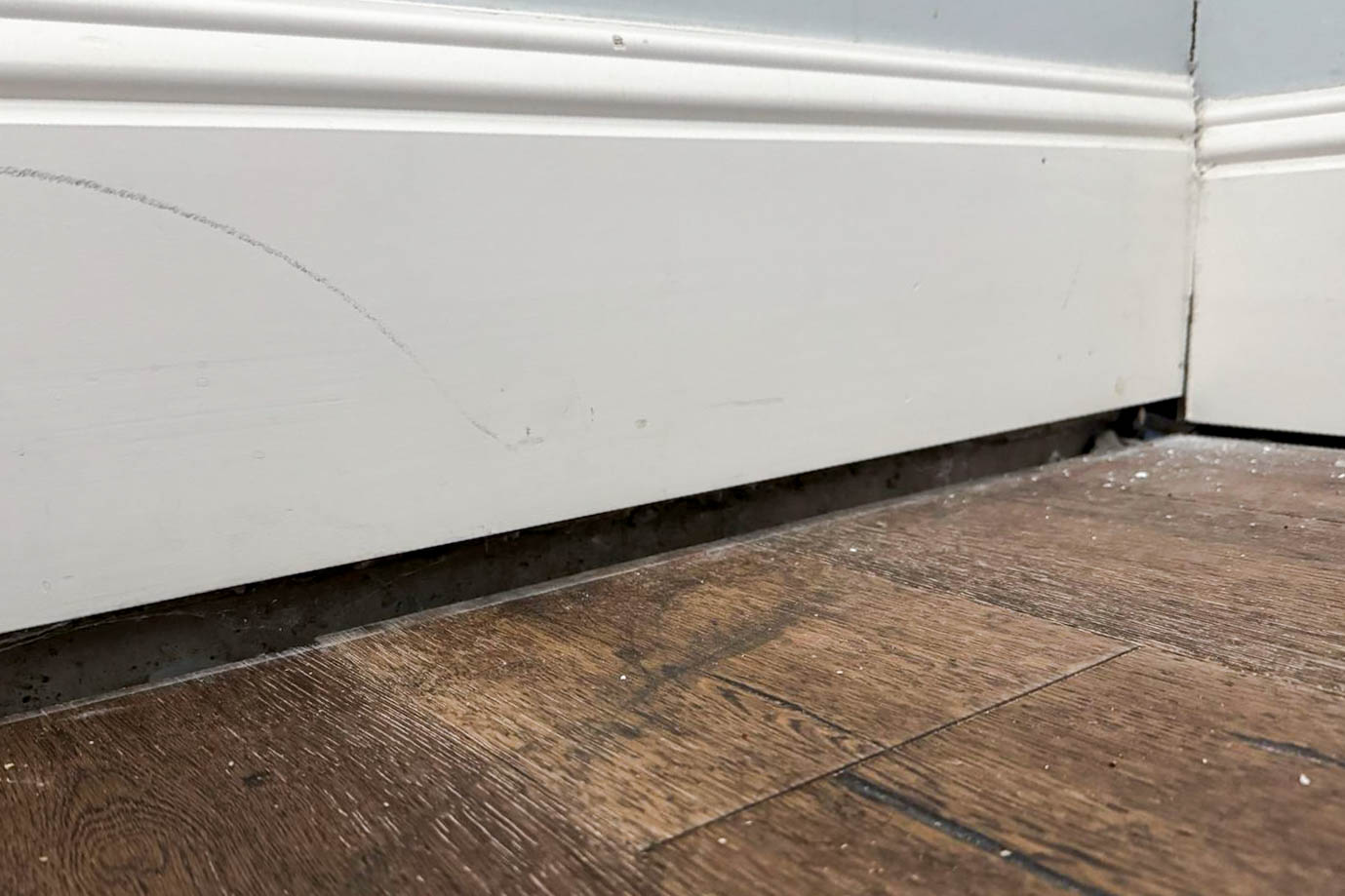
Stage 2
Increasing Movement in the Floor
As the problem progresses, the floor may develop a more noticeable slope or sag. Doors and windows may start to stick, drywall cracks can appear, and gaps may form between the floor and baseboards as the framing moves.
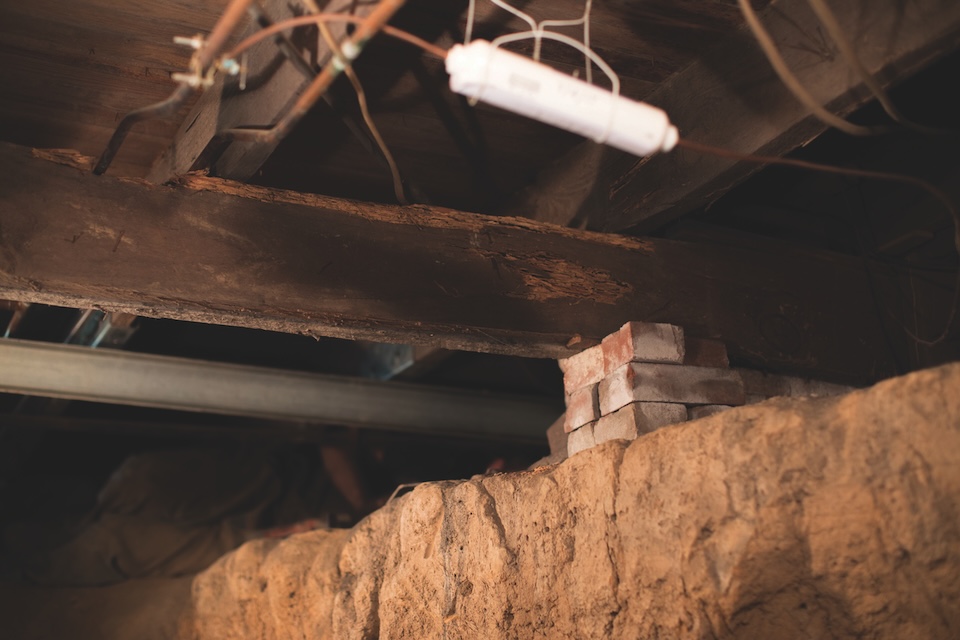
Stage 3
Structural Damage and More Extensive Repairs
As the underlying problem continues, floor joists, beams or supports may break down or shift further. Rotting floor joists and damaged subflooring can make repairs more extensive, potentially adding subfloor repair or flooring replacement to the structural work needed.
<a id="Solutions">
How NV Waterproofing and Foundation Repair Repairs Sinking & Sagging Floors in [Target Location]
There’s no one-size-fits-all fix for sagging floors. After inspecting your crawl space and floor system, NV Waterproofing and Foundation Repair will identify what’s causing the problem and recommend the right crawl space repairs to restore support, address damaged wood and help prevent moisture from causing future problems.
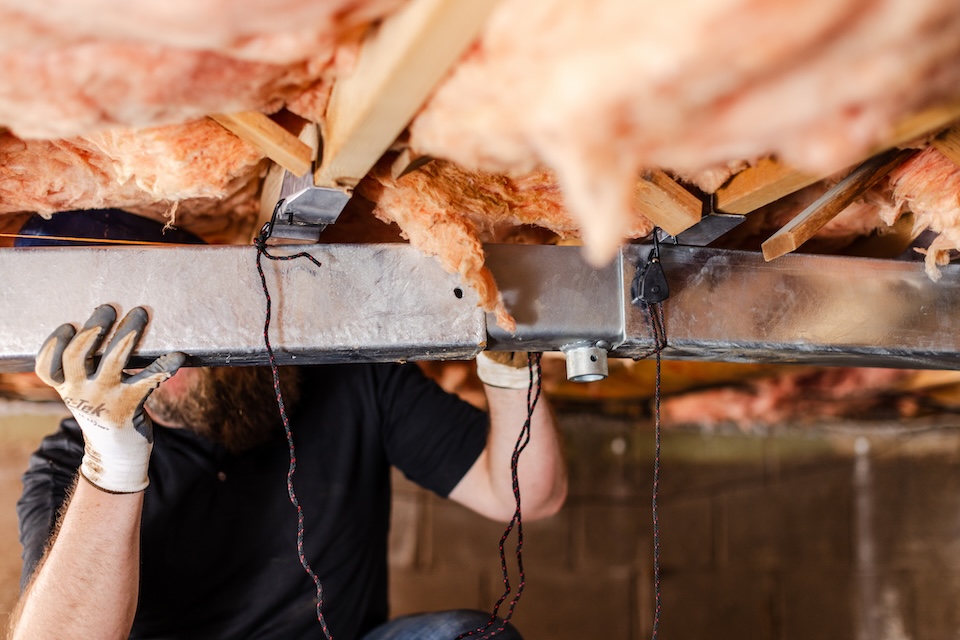
Structural Support Jacks

Wood Repair & Replacement
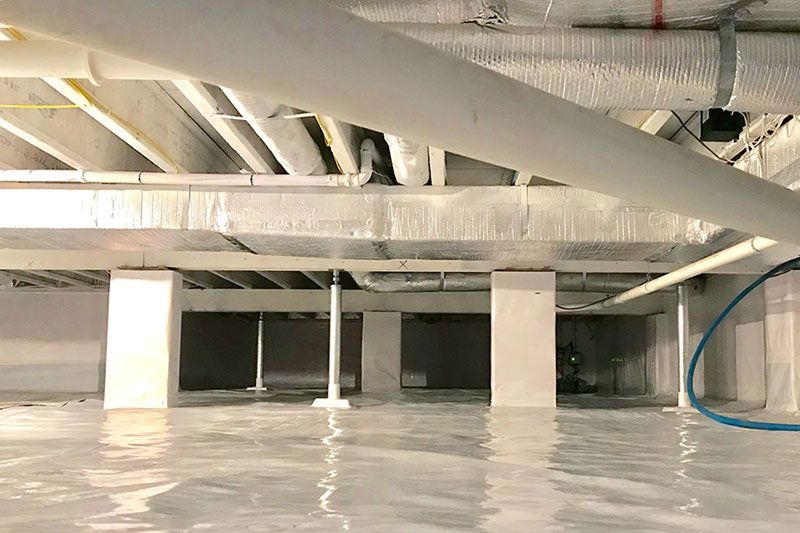
Crawl Space Encapsulation

Crawl Space Dehumidifier

Thermal Insulation

Crawl Space Vapor Barrier
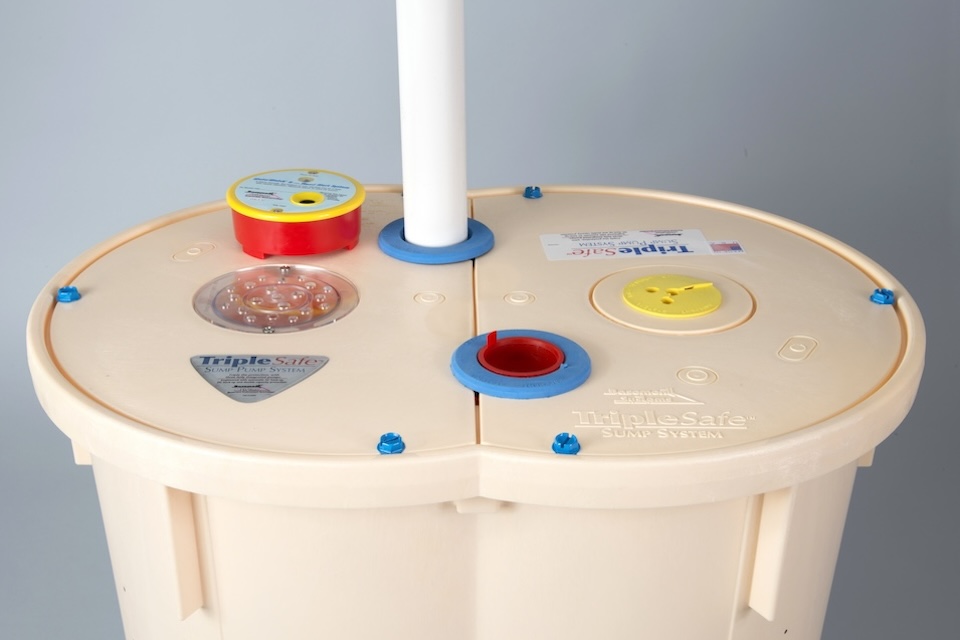
Sump Pumps
MoldEx & LumberKote Treatments
What to Do When You Notice a Sagging Floor
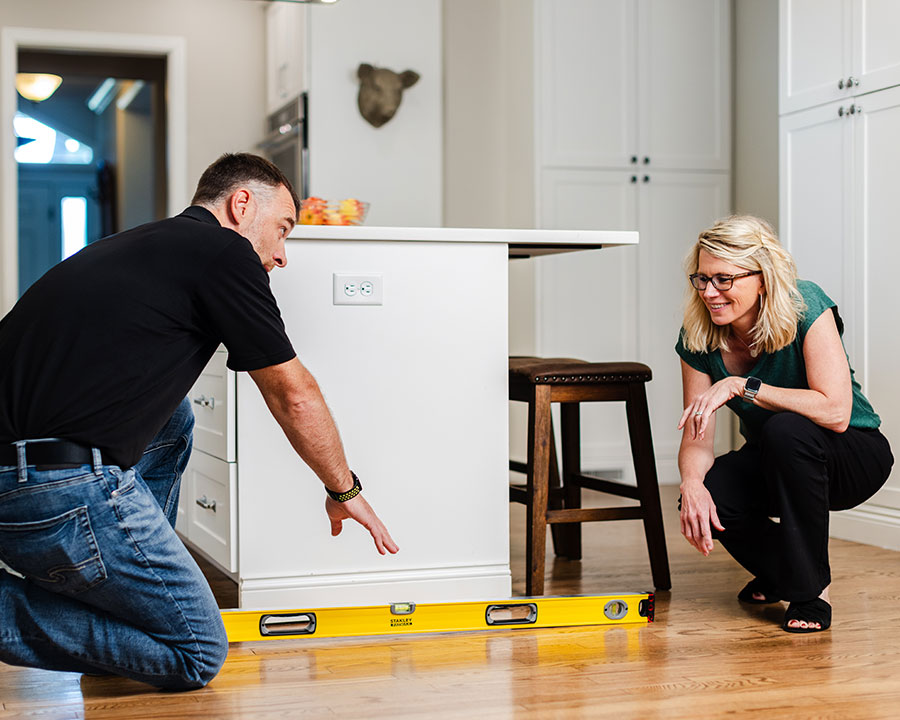
Don't Brush Off Changes in Your Floors
Keep track of new dips, slopes, soft spots or areas that feel more bouncy. Changes over time can help indicate that the floor system beneath your home is losing support.

Watch for Other Changes Around Your Home
Doors and windows that stick, drywall cracks, gaps along baseboards or cabinets separating from surrounding surfaces can give you more clues that the floor or supporting structure has moved.

Check the Crawl Space for Moisture
Musty smells, condensation, standing water or high humidity can signal moisture beneath your home. Lingering moisture can contribute to wood rot and deterioration in floor joists and beams.
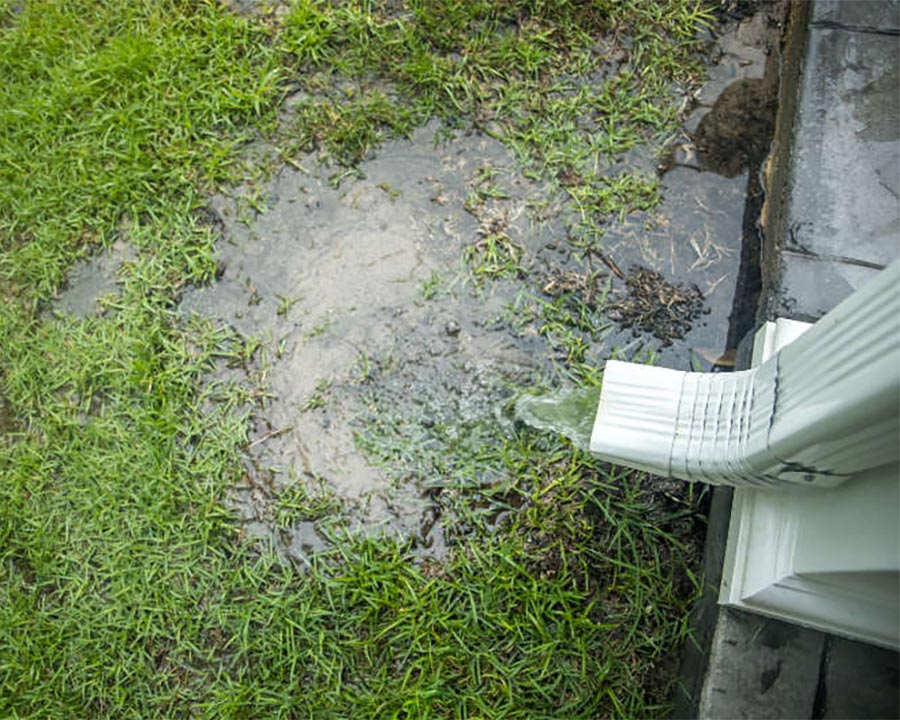
Direct Water Away from Your Foundation
Keep up with gutters, downspouts and grading so rainwater drains away from your home. Cutting down on unnecessary water around the foundation can help cut down on moisture getting into the crawl space.

Avoid Makeshift Supports or DIY Jacking
Stacked blocks, shims or improperly installed posts may not offer reliable structural support. Trying to lift a sagging floor too quickly can also damage flooring, drywall or other finishes.

Get the Crawl Space Professionally Inspected
The visible sag isn’t always where the problem begins. An inspection of the joists, beams, supports, footings, soil and moisture conditions can help determine why the floor is sagging and what repair makes sense.
Benefits
Why Homeowners Rely On NV Waterproofing and Foundation Repair
Body Copy Specific to Each Dealer
<a id="What To Expect">
What To Expect
Ready to get started?
Schedule a free estimate to start your repair journey with Thrasher.

Schedule your inspection
Fill out our form or give us a call to book your inspection. Share what you’ve noticed so we can send the right expert to your home.

Full home
inspection
An expert will inspect the problem area and surrounding conditions, including soil movement, drainage, structural integrity, and any related concerns.

Clear explanation
of findings
We’ll walk you through what we’re seeing in easy-to-understand language so you know the root cause of the issue, not just the symptoms.

Review recommendations
If repairs are needed, we’ll outline your options, pricing, and timeline so you can make the best decision for your home.
Schedule your free inspection—
It'll only take
a minute
Meet with a trusted expert, and get
clear answers about your home.
"*" indicates required fields
<a id="Testimonials">
Don't just take our word for it
See what our customers have to say about our work.
NV Waterproofing was extremely responsive and 100% committed to identifying our water problem and designing a solution. Their work was excellent. The crew was on time and organized. They were very careful to protect the exterior landscaping and the interior of our home from dirt and debris. Even two years later, they responded to a sump problem at no additional charge. NV Waterproofing does the job right and stands behind its work.
Mike and Lynn F. | Columbia, MD
We bought a house in a state of disrepair, and so we've had to work with a number of contractors. I'd rank this company at the top of the list for their professionalism, knowledge, experience, and honesty. We had bowing of our basement walls that needed to be addressed. Michael came out to assess the situation, and gave us some options. After speaking with him, I felt very confident in their ability to buttress our walls. It was also a huge bonus that we were able to set up a payment plan for this job too. When the team showed up, Casey, Kevin, and Grant, they were super polite and professional. They took great care of our property, and if they had a question about anything, they asked. Also, if I had a question, Casey (the foreman), was very knowledgeable and quick to answer. They presented the work as they progressed through the job, and really, I was actually a little blown away by the scale of the project, and the speed at which they worked. What an impressive job they did! We're very confident in the work they did and will hire them again.
Ellen M. | Takoma Park, MD
We were referred to NV Waterproofing from my brother-in-law who used them and was pleased. They came out and gave us an estimate - they were very prompt. We had the work done - it looked great and I am sure will do the job (only time will tell). We did have a miscommunication with the work (mostly on our part), but the owner had it fixed promptly and without additional cost. I would highly recommend them to anyone with water issues in their basement.
Susan C. | Washington DC, DC
NV stuck with me and made sure I was happy. Roberto Jr kept me calm as my problem persisted and kept working on a solution beyond the obvious. I highly recommend. Looking forward to a dry basement this summer.
Dean R. | Washington, DC
I am writing this letter to commend members of your organization for the waterproofing work performed on and around the foundation of my house. Despite situations beyond the control of both me and your associate, he always maintained professionalism and demonstrated why he is an outstanding representative of your organization. The crew obviously knew what had to be done and went about doing it. They were prompt in arriving at work each day, diligent in the performance of their duties (in spite of high heat and humidity), and took measures to ensure the safety around the excavated area (important because of children in the neighborhood). Unlike other construction sites I have seen, the crew maintained the area free of litter— no small measure these days! In addition, the crew always provided clear explanations of the work to be done each day, answering the questions with forthright and clear responses, never hurrying the discussion. As I was not on site while work was being done, they called me several times, taking those extra steps to keep me informed of the status of the work and aware of the tasks yet to be performed— something that is greatly appreciated. I would appreciate it if you would offer my heartfelt thanks to your able crew for the quality waterproofing work performed and the excellent communication and coordination exhibited by them.
Myra L. | Washington, DC
In my 12 years of having NV Waterproofing as a business partner, they have always proved reliable and trustworthy. They are a great value for me and my customers.
Darryl O. of Brookfield Homes, | Washington, DC
Great professional service and able to respond in timely manner to the project need.
Blake B. | Washington, DC
Brendan was very knowledgeable, professional and courteous. Highly recommend.
Cesar T. | Arlington, VA
A brief note to thank NV Waterproofing for extreme professionalism and courtesy in the manner in which my recent basement water seepage problem was addressed. From the initial contact with Jim, through the work with Roberto, Carlos and Jose, it was an overall pleasant experience – not to mention my contact with the owner and his responsiveness.
Ramesh T. | Arlington, VA
These guys were amazing. The initial visit was smooth, not pushy at all and he was even able to accommodate the relocation of a small drainage pipe. The demo to install the system was done beautifully, yes it was really good, you can tell they were precise and careful when doing so. Everything was clean, no stains on my carpet and they protected everything. No leak so far and I love it. Did I mention the price was excellent? I had 3 other companies to estimate thousands and even tried to sell extra unnecessary equipment. Thank you NV Waterproofing I have and will continue to recommend you.
Chelly Z. | Falls Church, VA
We appreciated NV Waterproofing's honesty and the men who worked tirelessly in uncomfortably cold weather. We've had one big storm since they finished and the basement walls are nice and dry. Nice work!
Peter V. | Falls Church, VA
Mauricio and Cristian were the initial sales reps who came to examine the issue and they took the time to test drainage that might have potentially been creating the water issue. They offered a reasonable solution (sealing the visible cracks and holes in the concrete) and I was contacted within a couple of days with an estimate and scheduling options. Sean was our tech and he did a fantastic job diagnosing the issue beyond just the cracks. He not only address all the holes and cracks in the concrete and mortar, he sealed up additional entry points above the foundation. He sourced additional materials to cover openings for cable lines. He went above and beyond and gave us measured information on how we should continue to monitor and treat this area as the house settles. He was thorough, informative, and provided excellent service in his work. I'm very glad that Sean was the technician sent to us and I would specifically request him for your projects.
Sara T. | Falls Church, VA
<a id="Before & After Photos">
Before & after photos
Check out before and after photos from some of our completed projects.


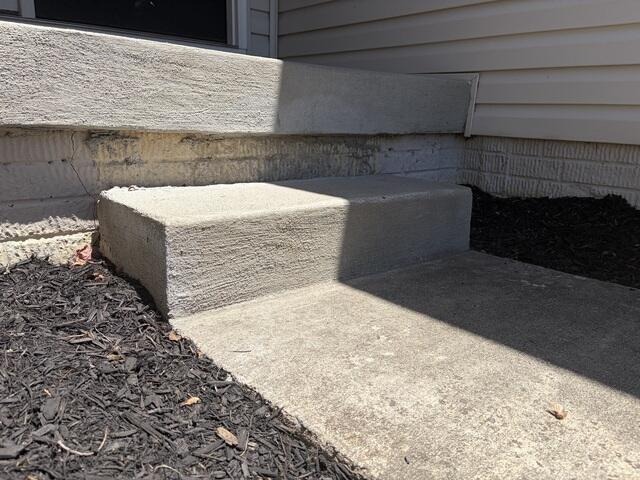
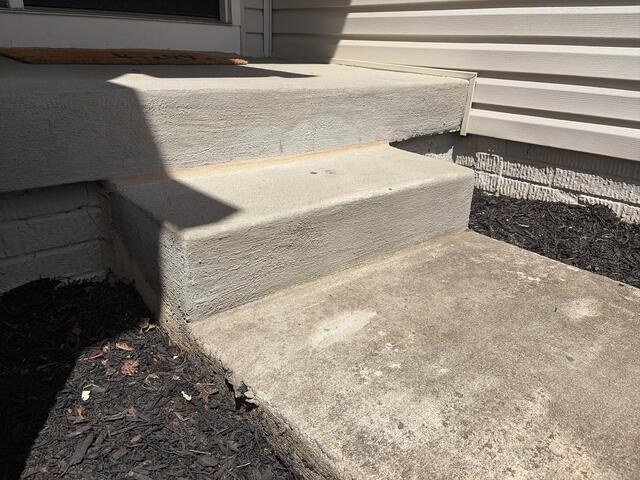
Sunken Concrete Step Repair in Stephens City, VA
This Stephens City, VA homeowner was dealing with a sunken concrete front step that had settled over time, creating an uneven entryway and a noticeable tripping hazard near the front door. Sunken concrete steps can make everyday foot traffic unsafe for homeowners, guests, and delivery drivers, while also taking away from the home’s curb appeal. Our concrete repair team lifted and leveled the front step back to its proper position, creating a safer, more stable walkway and entrance. This concrete step repair helped reduce the risk of falls, improved the look of the front entry, and gave the home a cleaner, more welcoming appearance. The homeowner was thrilled with the outcome — a big transformation that improved both safety and curb appeal!

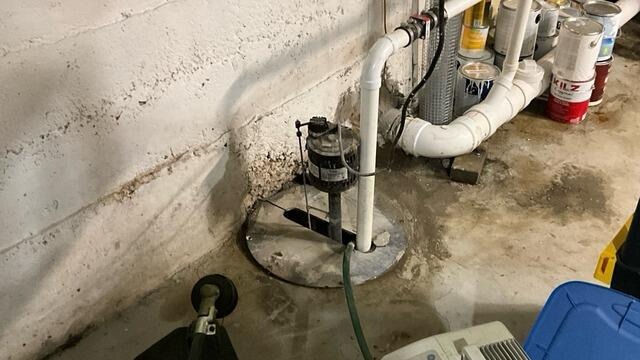
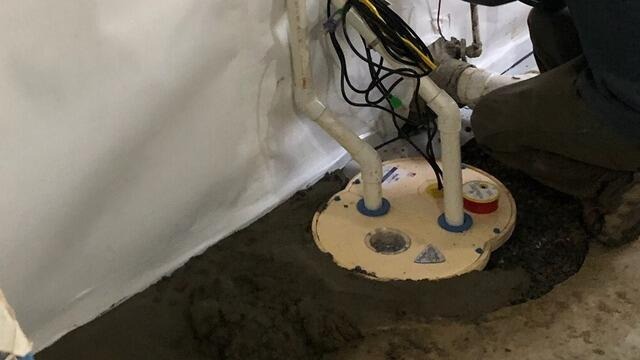
Basement Waterproofing in Winchestor, VA
A homeowner in Winchester, VA, was struggling with a failing sump pump that couldn’t keep up during heavy rainstorms, leaving their basement vulnerable to water intrusion. The lack of a reliable backup system also left them worried about potential flooding during power outages. Frustrated and seeking a dependable solution, they contacted NV Waterproofing and Foundation Repair, a trusted basement waterproofing company in Winchester, VA.
After assessing the situation, we replaced their old sump pump with a state-of-the-art TripleSafe Sump Pump system. This advanced system includes three levels of protection: a primary pump, a secondary pump for heavy water flow, and a battery backup to ensure the basement stays dry even during power outages. The homeowner now has peace of mind knowing their basement is fully protected, no matter the weather.
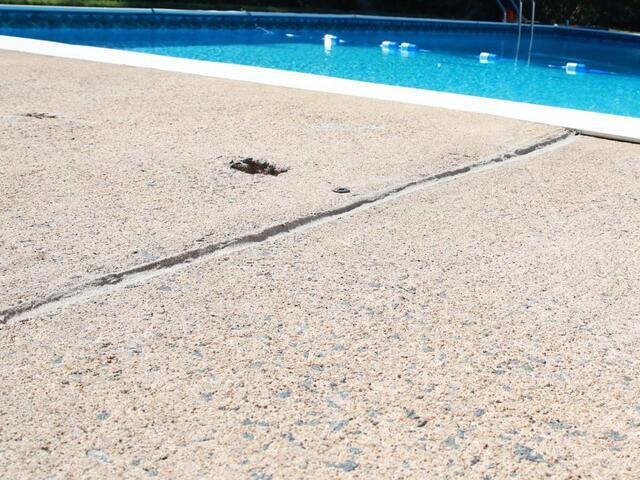
Pool Deck Leveling in Manassas, VA
A homeowner in Manassas, VA, quickly realized their dream backyard pool was at risk when the surrounding concrete pool deck began to show serious problems. Uneven and sunken slabs created tripping hazards and unsightly cracks, making both safety and aesthetics a challenge for anyone using the space. Additionally, water from rain and pool use was pooling in low spots, causing slippery surfaces and further soil erosion beneath the deck. These issues not only threatened the safety of family and guests but also compromised the value and enjoyment of the home.
Seeking an effective solution, the homeowner reached out to our team for a professional assessment. We identified the main cause of settlement: soil erosion under the slabs—a common issue in Manassas due to its clay-rich ground and fluctuating moisture. To address both the immediate hazards and prevent future damage, we recommended our two-part approach: the cutting-edge PolyLevel® concrete leveling system and NexusPro® Joint Sealant.
The repair process began with drilling small holes into the affected concrete slabs, allowing us to inject high-strength PolyLevel® polyurethane foam beneath the surface. As the foam expanded, it filled voids, stabilized the soil, and gently lifted the slabs back to their original positions. The process was quick, clean, and minimized disruption, giving the pool deck a level, safe surface once again. PolyLevel® foam is waterproof and lightweight, reducing the risk of future settling and ensuring long-term durability, even in a wet poolside environment.
To provide further protection, we sealed all cracks and joints with NexusPro® Joint Sealant. This flexible, weather-resistant sealant prevents water from seeping beneath the slabs, protecting the soil and concrete from additional erosion. The result was a clean, finished appearance that not only improved the look of the deck but also safeguarded it for years to come.
Thanks to modern concrete leveling technology, the homeowner’s pool deck was transformed from a liability into a safe and attractive outdoor gathering space. The project was completed in a single day, with minimal mess and immediate results, giving the homeowner peace of mind and renewed pride in their backyard. If you’re facing similar issues with your pool deck in Manassas, VA, the PolyLevel® system and NexusPro® Joint Sealant offer a fast, effective, and lasting

<a id="FAQs">
Frequently Asked Questions
The terms are often used interchangeably, but they can describe different types of movement. A floor may sag when joists or beams bend or lose support, while sinking can occur when columns, footings or the soil below them settle. An inspection can determine which part of the floor system is actually moving.
Sagging floors don’t necessarily mean walking away from a home, but they are worth a closer look. Before buying, have the cause and extent of the problem assessed. Understanding whether the home needs additional structural support, floor joist repair, moisture control or more extensive work can help you decide with your eyes open.
The cost of sagging floor repair depends on the cause, extent of damage and repairs needed. Adding crawl space support jacks may cost differently than repairing rotted floor joists or addressing moisture problems. NV Waterproofing and Foundation Repair offers free inspections in [Target Location] to pinpoint the problem and provide recommended solutions and pricing.
The timeline comes down to what’s causing the sagging and how much repair is needed. Installing structural supports like the SmartJack® system may go faster than a project involving extensive wood or subfloor repair, moisture control or multiple problem areas. After inspecting your crawl space, NV Waterproofing and Foundation Repair can walk you through the recommended repairs and expected timeline.
In some cases, crawl space support jacks can gradually lift sagging beams and floor joists toward a more level position while providing permanent support. How much correction is possible depends on the cause, severity and condition of the floor system. An inspection can determine whether lifting and floor leveling are appropriate for your home.
Yes, in many cases sagging floors can be repaired without replacing the whole floor. If the flooring and subfloor are still in good shape, the repair may center on the structure underneath. Depending on the cause, that could include adding crawl space support jacks or repairing damaged joists and beams. More widespread wood rot or damage may require some wood, subfloor or flooring replacement.
Sagging floors aren’t always just a cosmetic issue. They can point to weakened floor joists, settling supports, wood rot or other problems with the structure beneath your floor. Even if the sag appears minor, it’s worth having the crawl space inspected to pinpoint the cause and whether structural repair is needed.
Sagging floors can be caused by excess moisture in the crawl space, wood rot, not enough support, settling columns or footings or termite and pest damage. Sometimes, more than one problem is involved. A crawl space inspection can determine what’s going on beneath the floor and what type of structural or moisture-control repair is needed.
Related pages

Service Areas
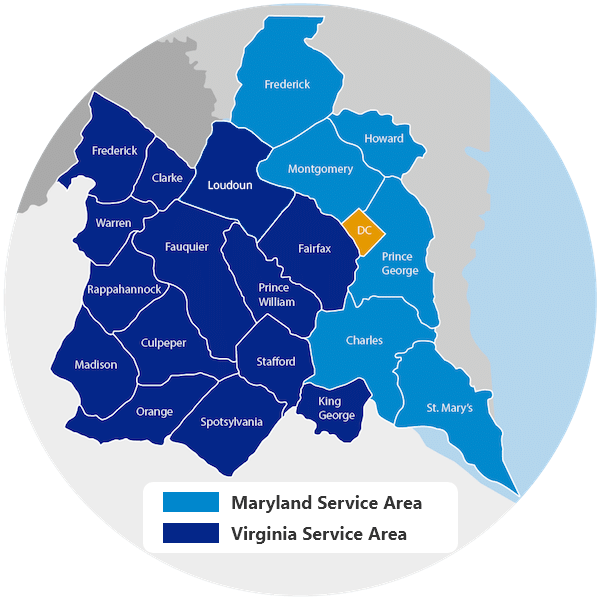
NV Waterproofing has locations throughout Northern Virginia, D.C., and Suburban Maryland.

Resources
Access valuable resources to help keep your home healthy and your family safe.

Our Promise
At NV Waterproofing, we pride ourselves on providing permanent solutions, and stand behind our work with industry-leading, fully transferable warranties and guarantnees.
