Helical Anchors & Tiebacks2026-11-02T15:17:10-06:00

Commercial Helical Anchors & Tiebacks in [Target Location]

Helical anchors and tiebacks supply engineered lateral support for commercial walls, excavations and structural components in [Target Location] and surrounding areas.

What Are Commercial Helical Anchors & Tiebacks?

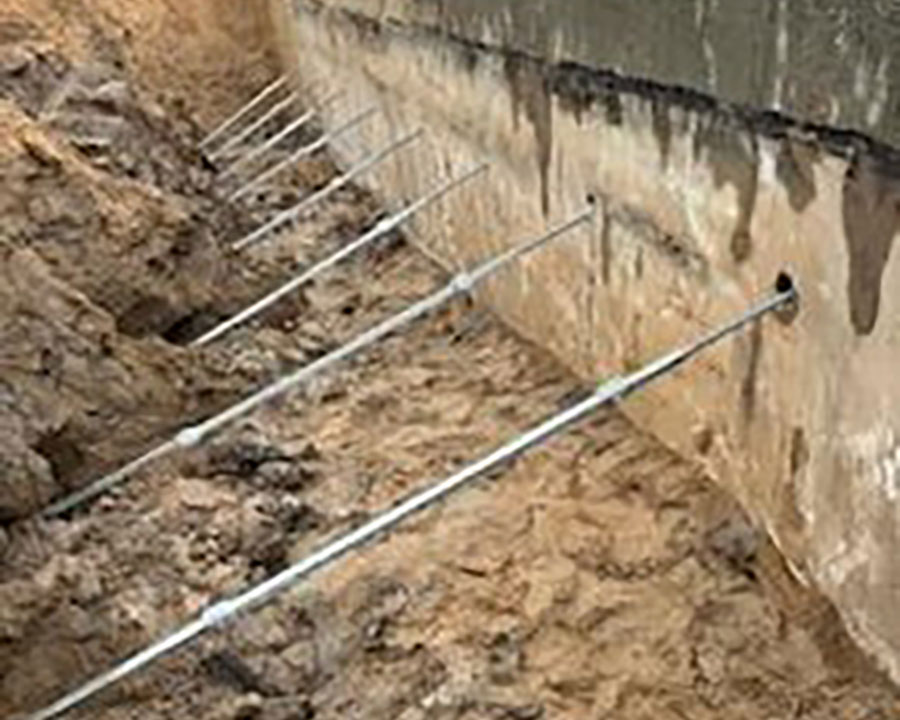
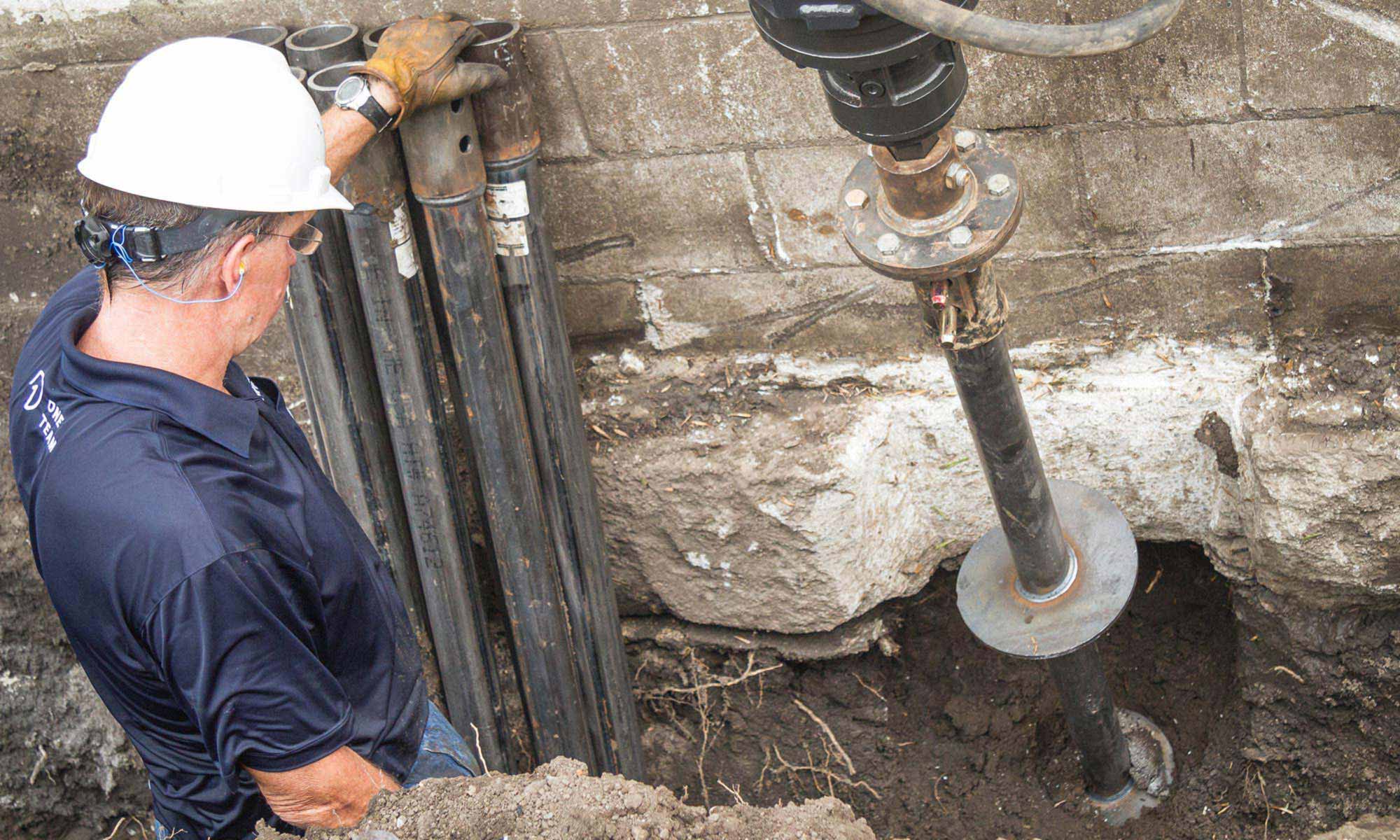
Helical anchors and tiebacks are steel shafts with helix-shaped plates that are installed into stable soil beyond the area of movement. They tie into a wall or structure to provide lateral support and help stop further movement.

Unlike helical piers, which support structures from below, helical tiebacks are generally installed at an angle to resist lateral forces. The helix plates transfer those forces into stable soil, providing support without grout or cure time.

When [Target Location] Commercial Projects Need Helical Tiebacks

Helical tiebacks can stabilize retaining walls, commercial foundation walls and other structures that are leaning, rotating, sliding or bulging. Movement can also surface as horizontal wall cracks or shifts in pavement and loading areas behind the wall. They can also supply lateral support on planned commercial projects, including excavation shoring, soldier pile and lagging systems, seawalls and bulkheads, plus tiedown applications where uplift or overturning forces must be resisted.

Our Commercial Helical Anchor & Tieback Solutions NV Waterproofing and Foundation Repair

  • Leaning, Cracked or Overturning Retaining Walls

    Permanent Helical Tiebacks for Walls

    Permanent helical tiebacks offer lateral restraint for retaining walls, foundation walls, sheet pile walls, seawalls and other structures showing lateral movement. Set through or behind the wall and advanced into competent soil beyond the failure plane, the anchors transfer lateral loads into stable soil to help stabilize the structure and resist further movement.

    • Installed using relatively small equipment on projects with limited access
    • Develop capacity through helix plates seated in competent soil
    • Installation torque gives an indication of soil resistance and anchor capacity
    • No grout or cure time required before loading the anchor
    • Can be incorporated into retaining wall and other permanent stabilization systems
    • Available in configurations matched to project loads and soil conditions
  • Excavations That Need Lateral Support Next to Existing Structures

    Temporary Helical Tiebacks for Shoring

    Temporary helical tiebacks deliver lateral support for excavation and shoring systems where the surrounding soil must be restrained during construction. They can be used with soldier pile and lagging, sheet pile and other earth retention systems, including work near existing buildings where excavation movement and available working space are key considerations.

    • Offers temporary lateral restraint for excavation support systems
    • Installs without grouting or waiting for grout to cure
    • Can be loaded right after installation and verification
    • Well suited to congested sites and limited-access construction areas
    • Installation torque can be monitored as the anchor advances
    • Can be set up for the loads, soils and geometry of the shoring system
  • Structures Resisting Uplift, Overturning or Lateral Forces

    Helical Tiedowns & Tension Anchor Systems

    Helical tiedowns and tension anchors secure structures against forces that can pull, overturn or move them from their designed position. Installed into load-bearing soil, these anchors can deliver tension resistance for new construction and other commercial applications where foundations or structural members must resist uplift, overturning or lateral forces.

    • Designed to resist tension, uplift and overturning forces
    • Helix plates transfer loads into suitable bearing soils
    • Installs without large excavations or concrete anchor blocks
    • No grout or cure time needed
    • Installation torque can be monitored to help confirm capacity
    • Available in shaft and helix configurations for a range of loads and soil conditions

How Commercial Helical Tiebacks Are Designed & Installed
Helical Tiebacks vs. Grouted Tiebacks & Soil Nails

Helical tiebacks install with no grout or cure time, need minimal excavation and can be loaded immediately after installation. Installation torque is tracked as each anchor is installed to help confirm it meets project requirements.

Grouted tiebacks rely on grout to secure the anchor in the ground and can be better suited to certain high-load or rock conditions.

Soil nails work differently, strengthening the soil behind a wall or excavation rather than anchoring the wall itself.

Which earth retention system is right depends on the loads it needs to support, soil conditions, wall design, site access and other project requirements.

Commercial Helical Anchor & Tieback Installation You Can Trust in [Target Location]

Specifying the right helical anchor or tieback system starts with understanding the loads, soil conditions, structure and project requirements. NV Waterproofing and Foundation Repair works with the project team to determine the right anchor configuration, layout and installation criteria for the application.

Contact NV Waterproofing and Foundation Repair to discuss your commercial helical anchor or tieback project in [Target Location] and get a solution developed around your structure, site conditions and project needs.

Schedule your free inspection—

It'll only take
a minute

Meet with a trusted expert, and get
clear answers about your home.

"*" indicates required fields

1Your Info
2Schedule Your Inspection
3Review & Submit

Customer Information

Don't just take our word for it

See what our customers have to say about our work.

Before & after photos

Check out before and after photos from some of our completed projects.
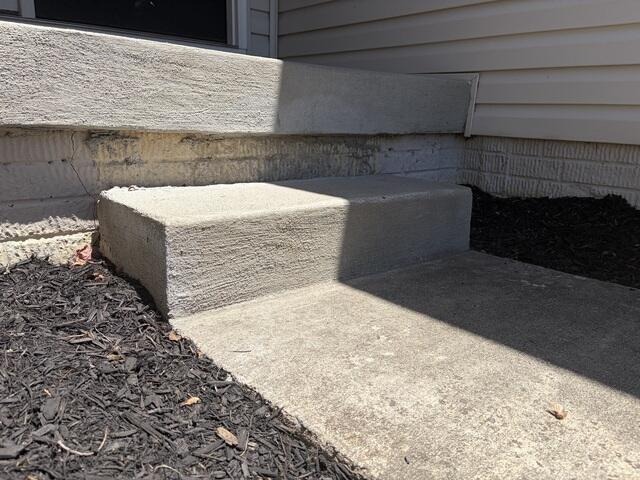
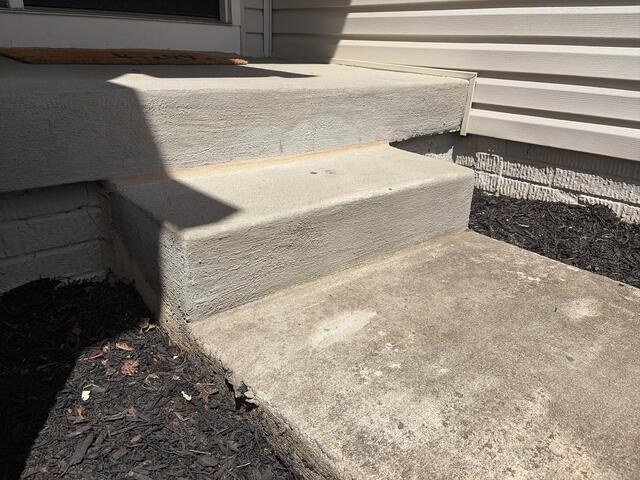
  • Sunken Concrete Step Repair in Stephens City, VA

    This Stephens City, VA homeowner was dealing with a sunken concrete front step that had settled over time, creating an uneven entryway and a noticeable tripping hazard near the front door. Sunken concrete steps can make everyday foot traffic unsafe for homeowners, guests, and delivery drivers, while also taking away from the home’s curb appeal. Our concrete repair team lifted and leveled the front step back to its proper position, creating a safer, more stable walkway and entrance. This concrete step repair helped reduce the risk of falls, improved the look of the front entry, and gave the home a cleaner, more welcoming appearance. The homeowner was thrilled with the outcome — a big transformation that improved both safety and curb appeal!

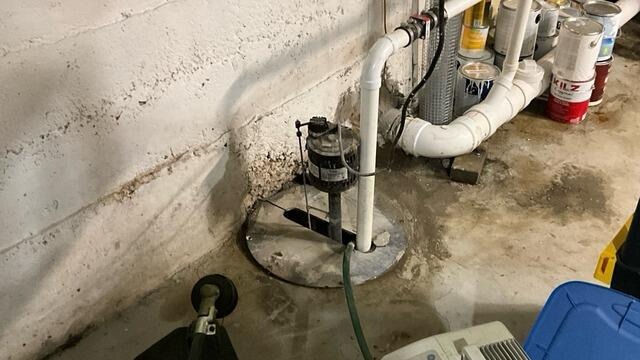
  • Basement Waterproofing in Winchestor, VA

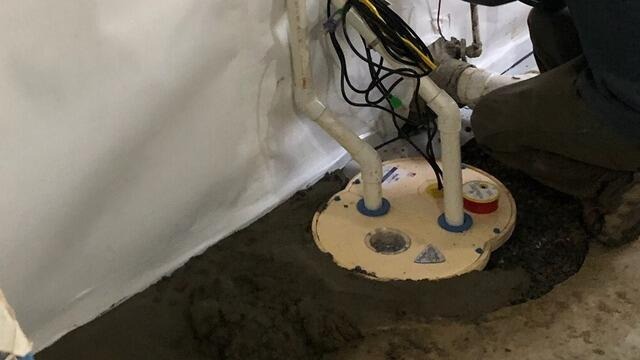
    A homeowner in Winchester, VA, was struggling with a failing sump pump that couldn’t keep up during heavy rainstorms, leaving their basement vulnerable to water intrusion. The lack of a reliable backup system also left them worried about potential flooding during power outages. Frustrated and seeking a dependable solution, they contacted NV Waterproofing and Foundation Repair, a trusted basement waterproofing company in Winchester, VA.

    After assessing the situation, we replaced their old sump pump with a state-of-the-art TripleSafe Sump Pump system. This advanced system includes three levels of protection: a primary pump, a secondary pump for heavy water flow, and a battery backup to ensure the basement stays dry even during power outages. The homeowner now has peace of mind knowing their basement is fully protected, no matter the weather.

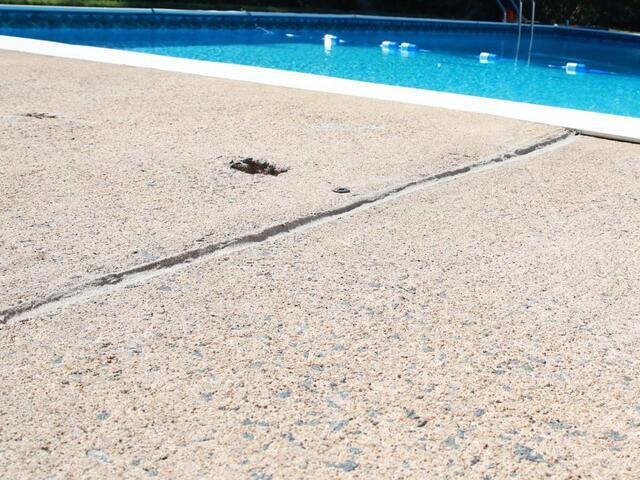
  • Pool Deck Leveling in Manassas, VA

    A homeowner in Manassas, VA, quickly realized their dream backyard pool was at risk when the surrounding concrete pool deck began to show serious problems. Uneven and sunken slabs created tripping hazards and unsightly cracks, making both safety and aesthetics a challenge for anyone using the space. Additionally, water from rain and pool use was pooling in low spots, causing slippery surfaces and further soil erosion beneath the deck. These issues not only threatened the safety of family and guests but also compromised the value and enjoyment of the home.

    Seeking an effective solution, the homeowner reached out to our team for a professional assessment. We identified the main cause of settlement: soil erosion under the slabs—a common issue in Manassas due to its clay-rich ground and fluctuating moisture. To address both the immediate hazards and prevent future damage, we recommended our two-part approach: the cutting-edge PolyLevel® concrete leveling system and NexusPro® Joint Sealant.

    The repair process began with drilling small holes into the affected concrete slabs, allowing us to inject high-strength PolyLevel® polyurethane foam beneath the surface. As the foam expanded, it filled voids, stabilized the soil, and gently lifted the slabs back to their original positions. The process was quick, clean, and minimized disruption, giving the pool deck a level, safe surface once again. PolyLevel® foam is waterproof and lightweight, reducing the risk of future settling and ensuring long-term durability, even in a wet poolside environment.

    To provide further protection, we sealed all cracks and joints with NexusPro® Joint Sealant. This flexible, weather-resistant sealant prevents water from seeping beneath the slabs, protecting the soil and concrete from additional erosion. The result was a clean, finished appearance that not only improved the look of the deck but also safeguarded it for years to come.

    Thanks to modern concrete leveling technology, the homeowner’s pool deck was transformed from a liability into a safe and attractive outdoor gathering space. The project was completed in a single day, with minimal mess and immediate results, giving the homeowner peace of mind and renewed pride in their backyard. If you’re facing similar issues with your pool deck in Manassas, VA, the PolyLevel® system and NexusPro® Joint Sealant offer a fast, effective, and lasting

Our service area

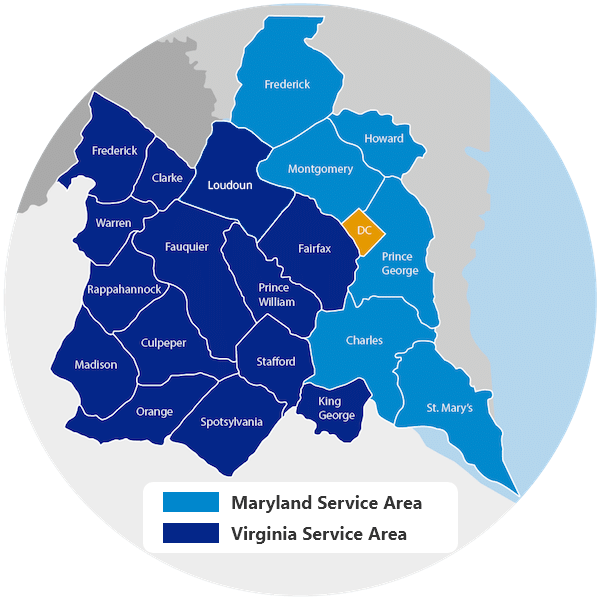
Proudly Serving Northern Virginia, D.C., and Suburban Maryland

Commercial Helical Anchors & Tiebacks FAQs

What determines the cost of a commercial helical tieback project in [Target Location]?2026-10-06T10:48:44-05:00

The cost depends on the number and capacity of the anchors, installation depth, soil conditions, site access, wall or shoring configuration, connection requirements, testing and other project-specific factors. Contact NV Waterproofing and Foundation Repair to discuss your project and the scope required for your site. 

Are helical anchors and tiebacks code-compliant?2026-10-06T10:48:06-05:00

Helical anchor systems can be engineered and specified to meet applicable building codes and project requirements. The requirements for a given project depend on the application, jurisdiction, design and specified system. NV Waterproofing and Foundation Repair works with the project team to determine the right system and installation requirements. 

Can helical anchors be installed on limited-access or still-operating commercial sites in [Target Location]?2026-10-06T10:47:31-05:00

Usually, yes. Helical anchors can be installed with relatively compact equipment and usually create minimal vibration and spoils, which makes them well suited for many limited-access and occupied commercial sites. Actual access requirements and effects on operations depend on the project and installation location. 

Do helical tiebacks require grout or curing time? 2026-10-06T10:46:22-05:00

Generally, no. Helical tiebacks develop capacity through helix plates advanced into the soil rather than relying on a grouted bond zone. With no grout to cure, the anchors can typically be loaded right after installation. 

How deep are helical tiebacks installed, and how far apart? 2026-10-06T10:44:30-05:00

There’s no standard depth or spacing for every project. Helical tiebacks must extend beyond the anticipated failure plane and into suitable bearing soil. Their length, angle and spacing are determined by factors such as soil conditions, wall geometry, loading and required anchor capacity. 

How much load can a commercial helical tieback hold? 2026-10-06T10:43:42-05:00

Tieback capacity depends on the anchor configuration, soil conditions, installation depth and project criteria. Commercial helical tiebacks are chosen for the required design load, and installation torque is tracked as the anchor advances to help verify that installation requirements are being met. 

How do helical tiebacks stabilize a failing retaining wall?2026-10-06T10:42:51-05:00

Helical tiebacks are installed through or behind the retaining wall and advanced beyond the unstable soil into competent soil. After they’re connected to the wall, the anchors carry lateral loads into the surrounding soil to help stabilize the wall and resist further leaning, sliding or overturning. 

What is the difference between a helical anchor and a helical tieback?2026-10-06T10:41:51-05:00

“Helical anchor” is a broad term for a steel anchoring system with helix-shaped bearing plates that transfer loads into the surrounding soil. A helical tieback is a type of helical anchor typically installed at an angle and connected to a wall or earth retention system to resist lateral forces.

Related pages

Service Areas

NV Waterproofing has locations throughout Northern Virginia, D.C., and Suburban Maryland.

Resources

Access valuable resources to help keep your home healthy and your family safe.

Our Promise

At NV Waterproofing, we pride ourselves on providing permanent solutions, and stand behind our work with industry-leading, fully transferable warranties and guarantnees.

Schedule your free inspection today

Don’t let unanswered questions about your
home worry you any longer.
Go to Top