
What Is a Basement Wall Vapor Barrier?
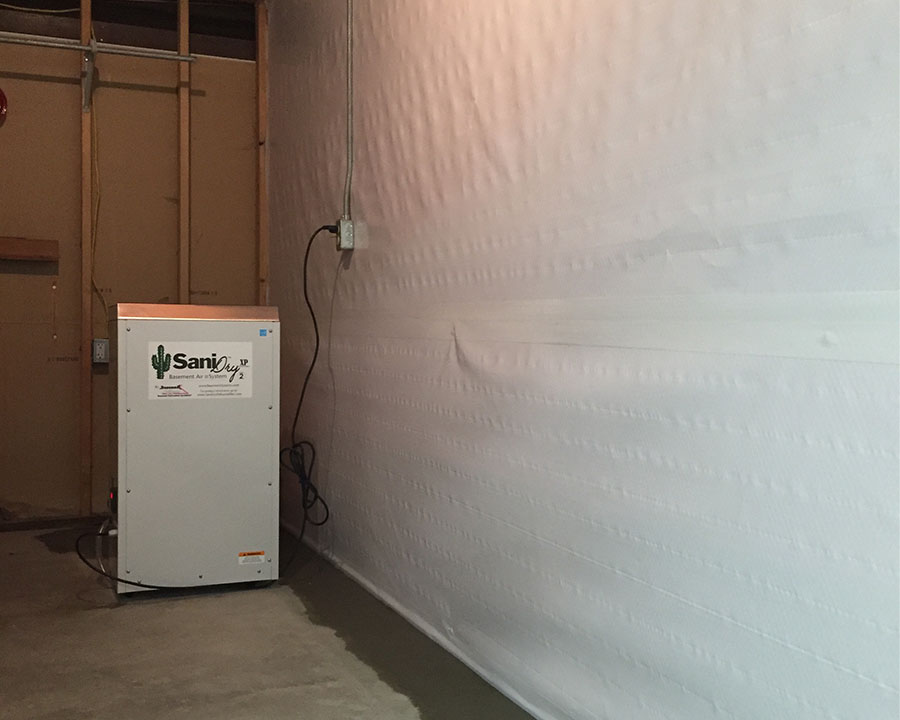
A basement wall vapor barrier is a heavy-duty liner mechanically fastened directly to below-grade concrete or block walls. Unlike basic plastic sheeting, it helps reduce water vapor moving through porous foundation walls as part of a basement waterproofing system.
Homeowners commonly use vapor barrier and moisture barrier interchangeably. Technically, a vapor barrier limits water vapor, while a basement moisture barrier may also help manage liquid seepage by routing it into an interior drainage system.
Symptoms
Signs Your [Target Location] Basement Needs a Vapor Barrier
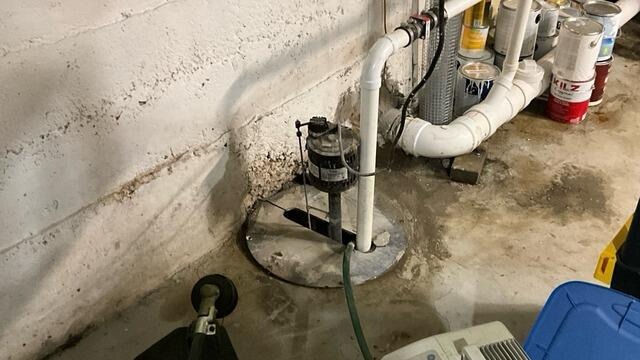
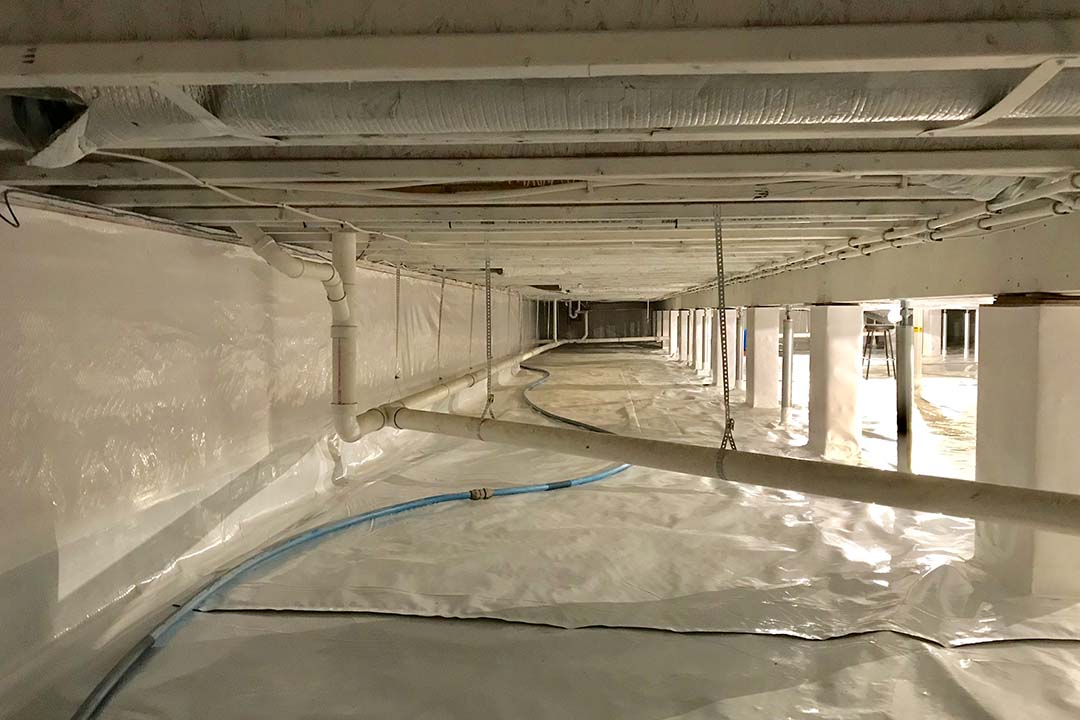
Condensation or water beading on foundation walls, musty odors, white chalky efflorescence, peeling paint, mold behind shelving or on stored boxes, damp flooring and climbing humidity can all point to excess moisture at your basement walls.
In [Target Location], humid summers, freeze-thaw cycles and water-holding soils can increase moisture around below-grade foundations. Water vapor can move through porous masonry, while humid air can condense on cool wall surfaces. The EPA recommends keeping indoor relative humidity between 30% and 50%; ongoing wall moisture can make that range harder to maintain.
Our Basement Wall Vapor Barrier Solutions
For damp basement walls
Basement Wall Vapor Barrier
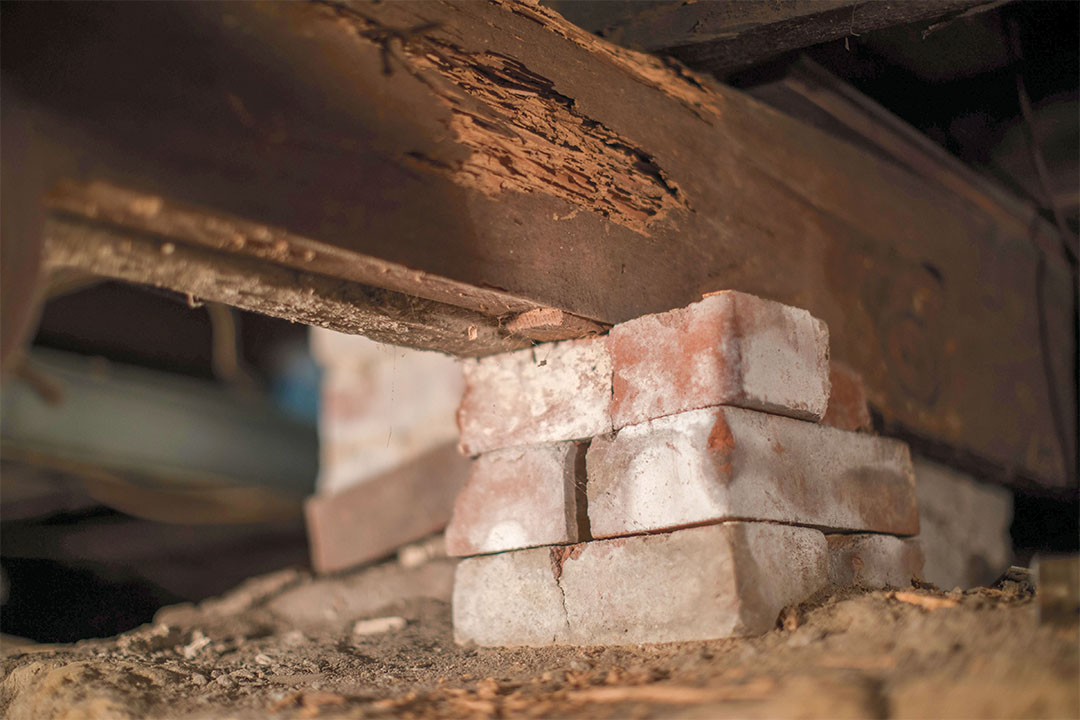
Porous concrete, block and masonry walls can allow water vapor and seepage into a basement. A basement wall vapor barrier isolates the basement from that moisture. When paired with interior drainage, the liner also gives wall seepage a managed path to the drainage system while creating a cleaner, more durable surface over unfinished foundation walls.

Is a Basement Wall Vapor Barrier Right for Your Home?


Why Professional Basement Vapor Barrier Installation Matters
Where and how a basement vapor barrier is installed matters as much as the liner itself. Just attaching plastic to a wall may leave gaps, put the barrier in the wrong part of the wall assembly or leave active seepage unmanaged. Professional installation starts with identifying whether the problem is water vapor, condensation, groundwater or a mix of sources.
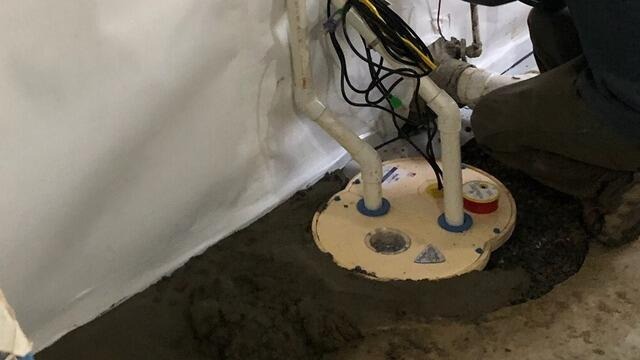
The wall liner is then attached directly against the foundation and tied into other waterproofing components when needed. If wall seepage is present, the liner can direct water toward drainage at the floor-wall joint and on to the sump system. This gives moisture a controlled path instead of letting it reach the basement floor or get trapped within a finished wall assembly.
What To Expect
Ready to get started?
Schedule a free estimate to start your repair journey with Thrasher.

Schedule your inspection
Fill out our form or give us a call to book your inspection. Share what you’ve noticed so we can send the right expert to your home.

Full home
inspection
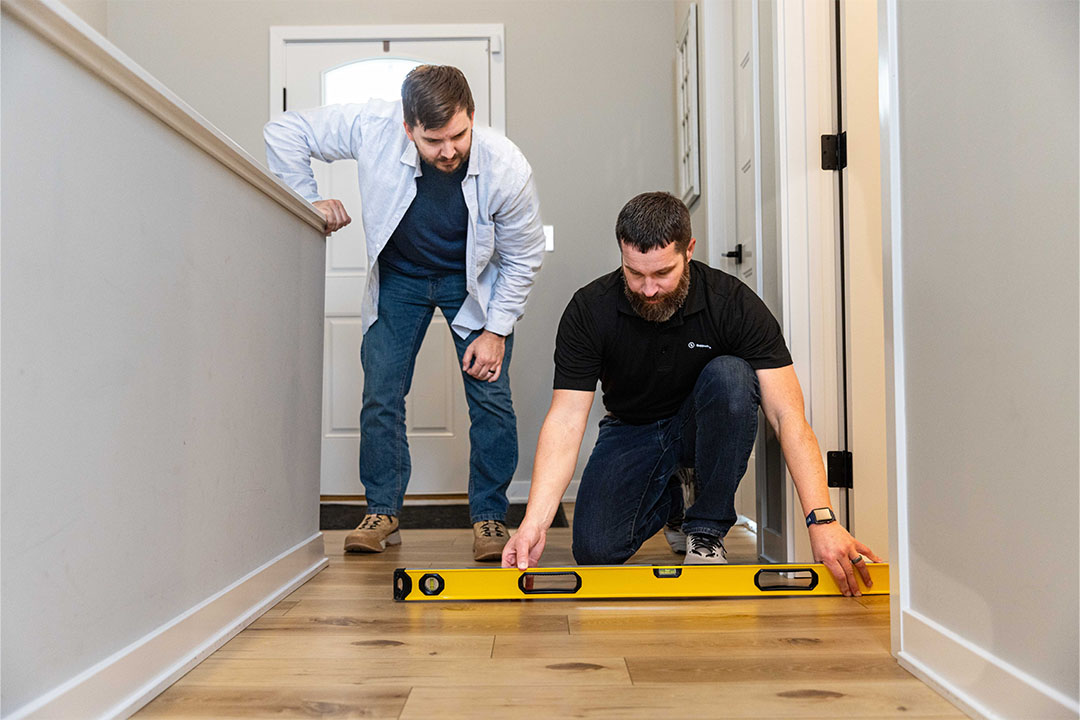
An expert will inspect the problem area and surrounding conditions, including soil movement, drainage, structural integrity, and any related concerns.

Clear explanation
of findings
We’ll walk you through what we’re seeing in easy-to-understand language so you know the root cause of the issue, not just the symptoms.

Review recommendations
If repairs are needed, we’ll outline your options, pricing, and timeline so you can make the best decision for your home.
Schedule your free inspection—
It'll only take
a minute
Meet with a trusted expert, and get
clear answers about your home.