Symptoms
Signs It's Time to Address Your Sinking Stoop
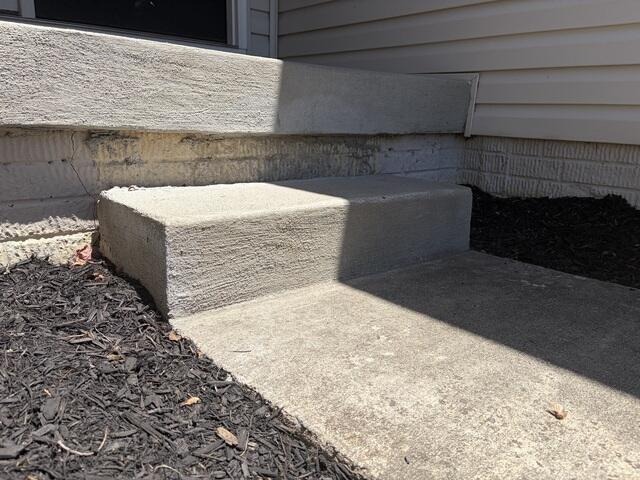
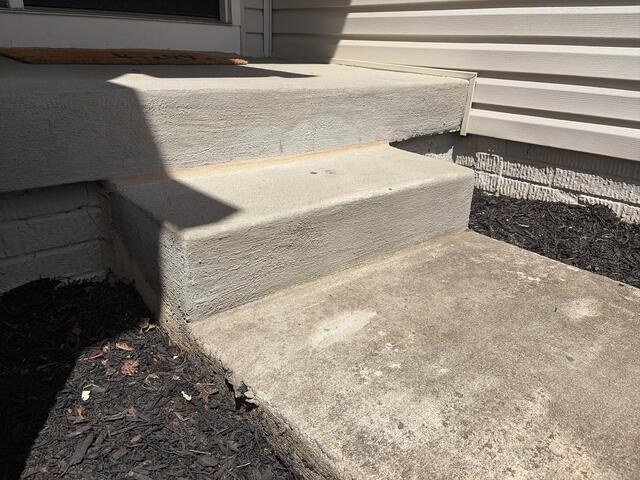
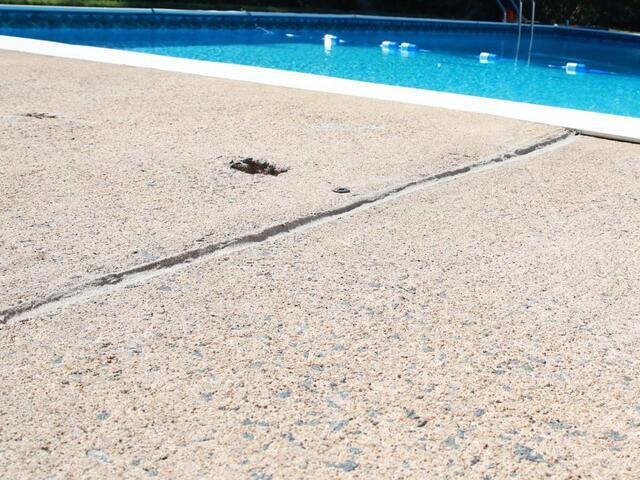
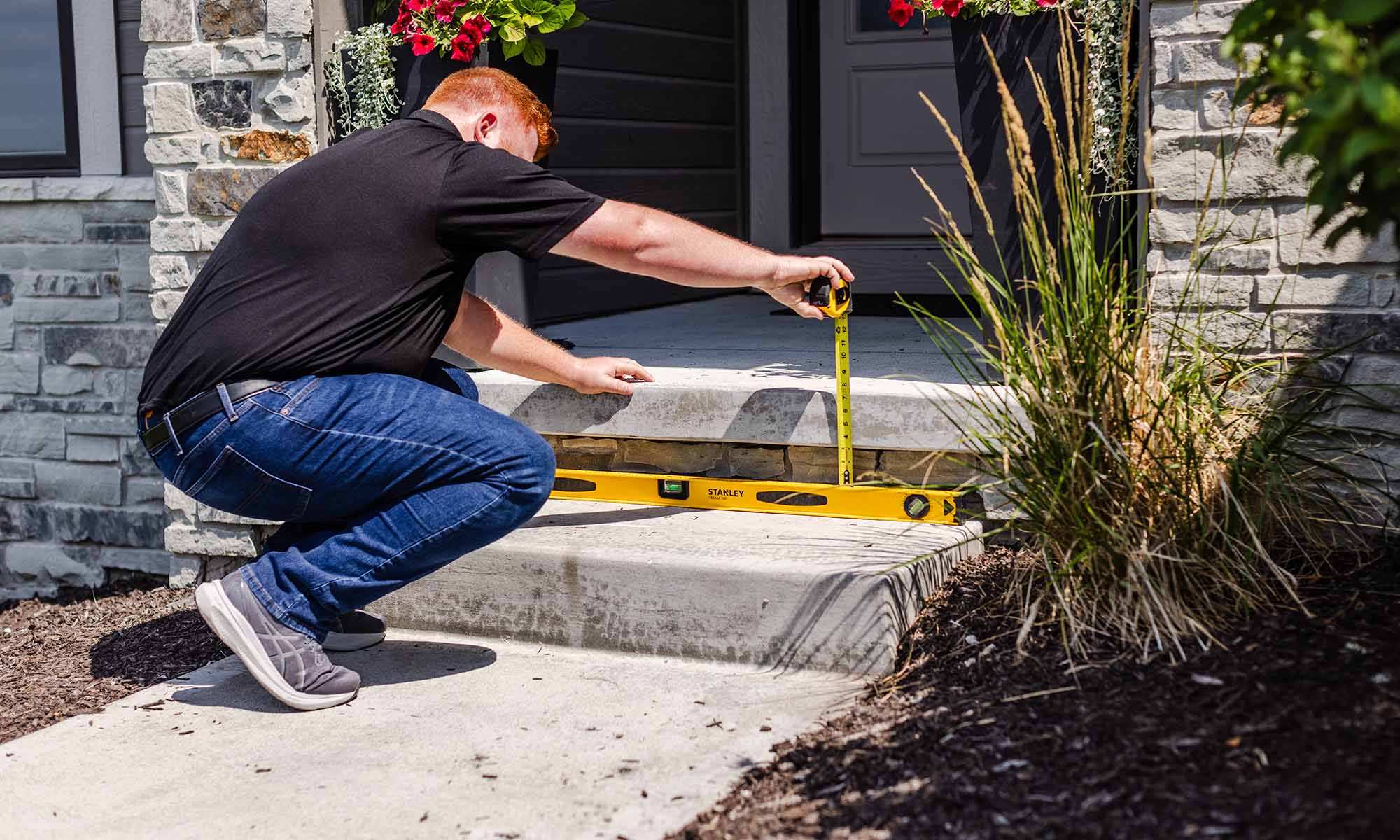
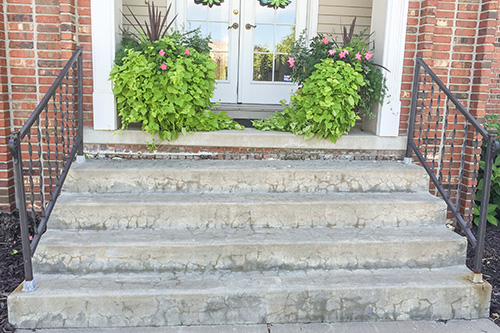
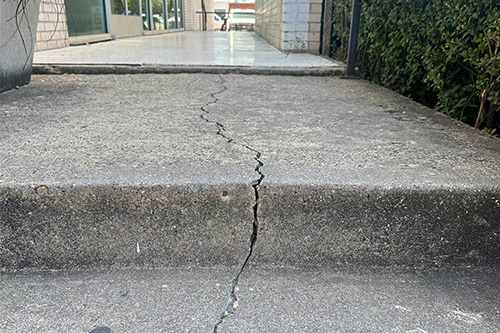
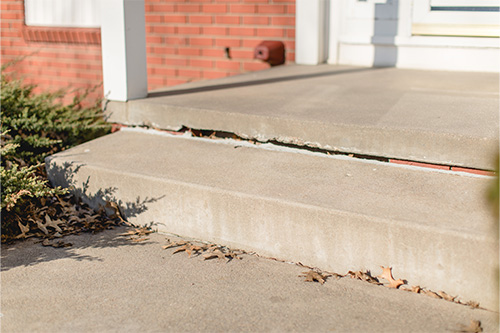
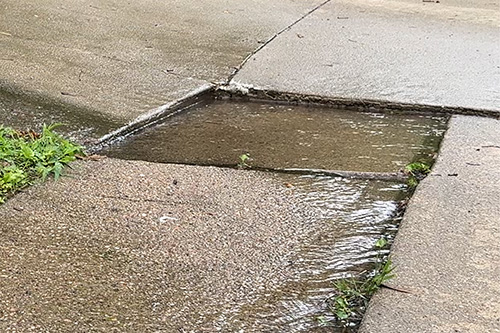
The early signs of stoop settlement are usually subtle, which makes them easy to overlook at first. As the supporting soil keeps shifting, uneven concrete, growing gaps and other changes become more noticeable and create safety concerns. A sinking stoop doesn't always mean your home's foundation is settling, but both problems can share similar causes. A professional inspection can tell whether the movement is isolated to the stoop or part of a bigger settlement issue. If you notice any of the signs below, schedule a professional inspection to identify the cause and help prevent the problem from worsening.
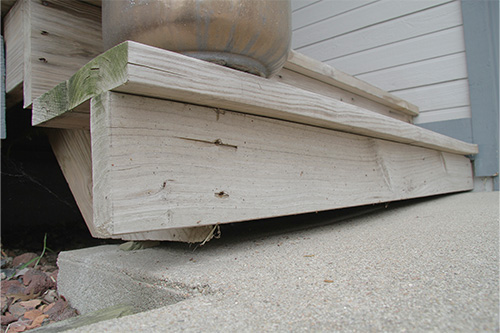
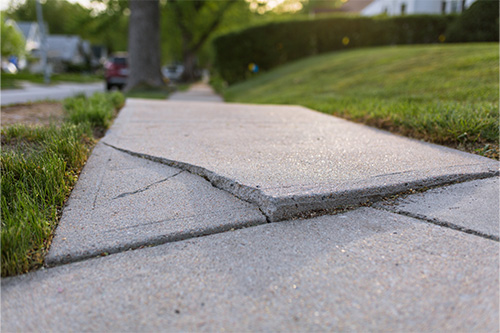
Causes
What Causes Stoops to Settle?
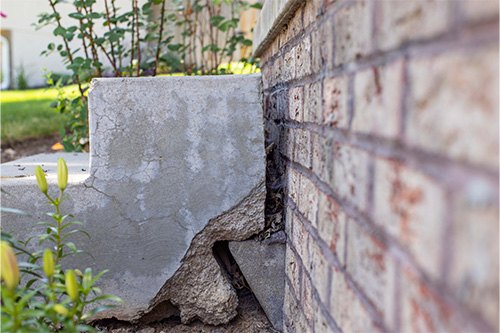
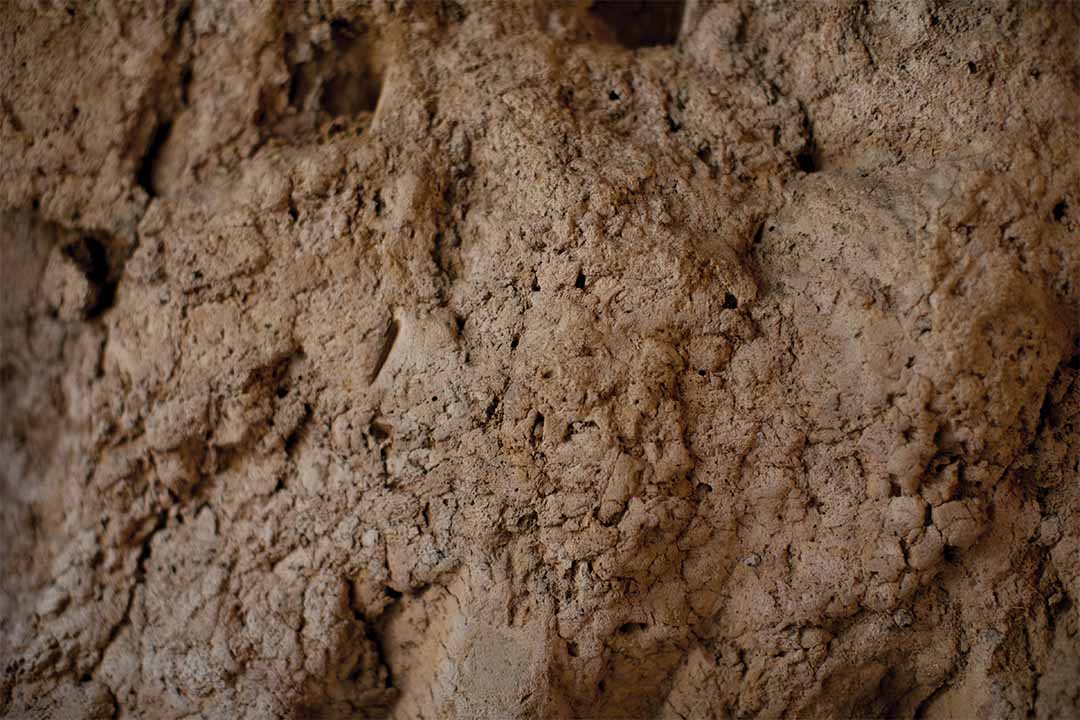
In most cases, the concrete stoop itself is structurally sound and the real problem is the soil beneath it. A concrete stoop depends on stable, well-supported soil to remain level. When the supporting soil settles, shrinks, expands or washes away, the concrete loses the support it needs and begins to sink. Although this movement usually happens gradually, it's almost always caused by changing soil conditions, not failing concrete. Even newer homes can experience stoop settlement if the fill soil beneath the concrete wasn't properly compacted during construction. Most stoop settlement can be traced back to one or more of the following conditions.
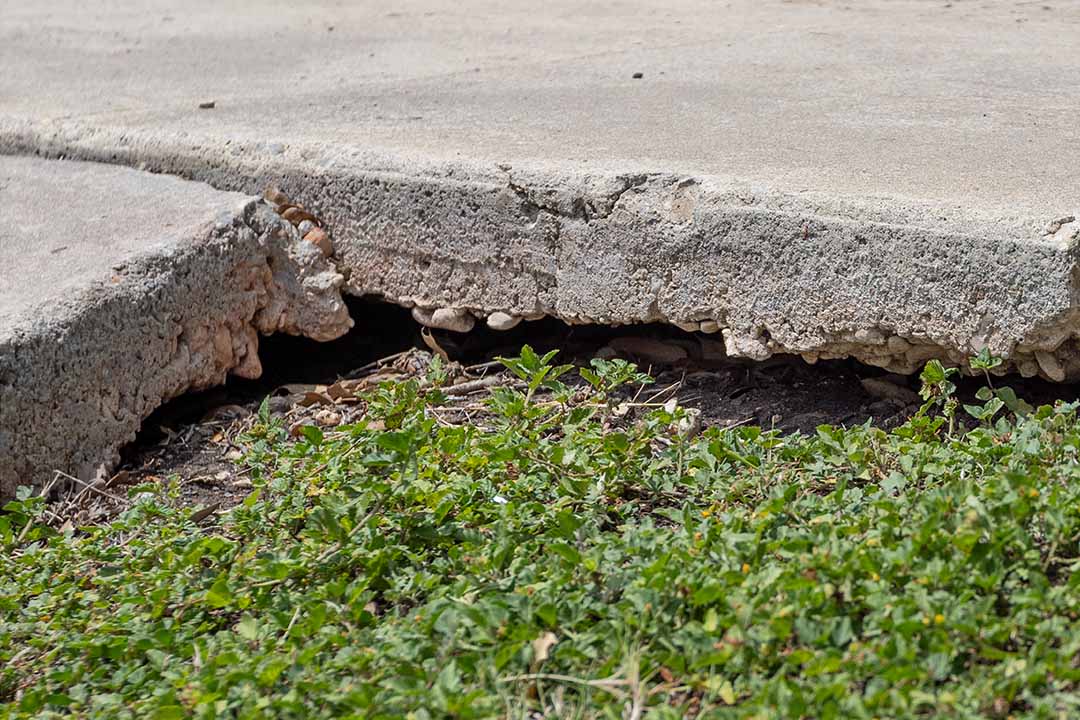


What Happens If You Don't Repair a Sinking Stoop?
Stage 1
Small Gaps and Uneven Steps
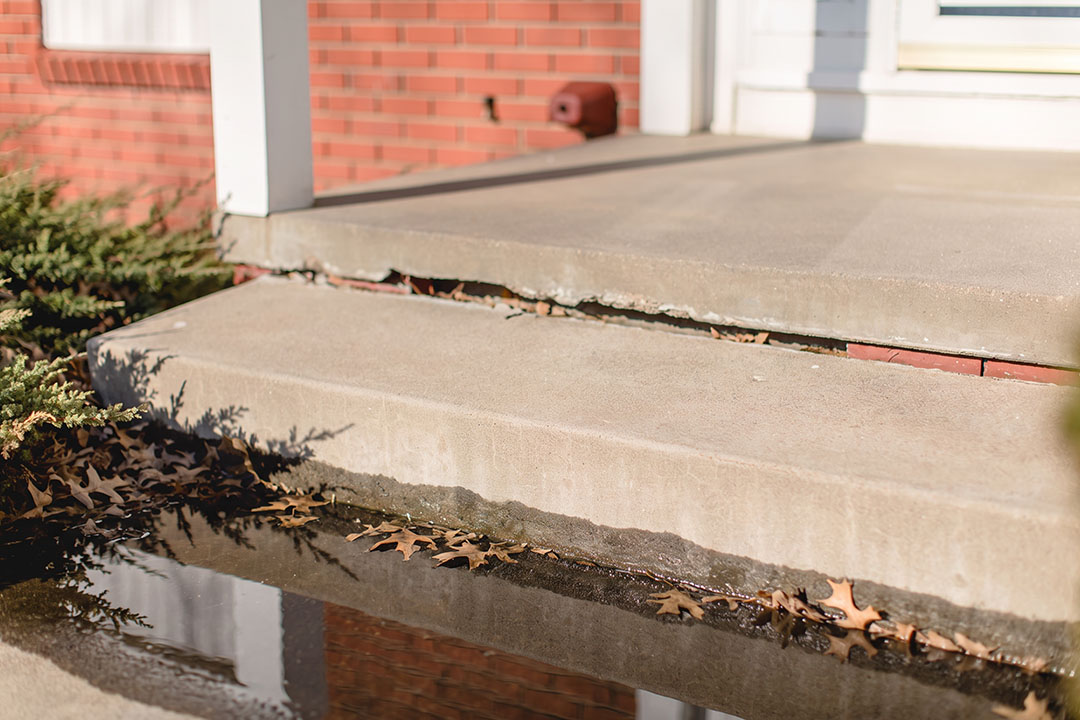
As the stoop starts to settle, you may notice small gaps where it meets the home or slight changes in step height. These issues may look minor, but they often mean the supporting soil is beginning to shift.

Stage 2
Increased Safety Hazards
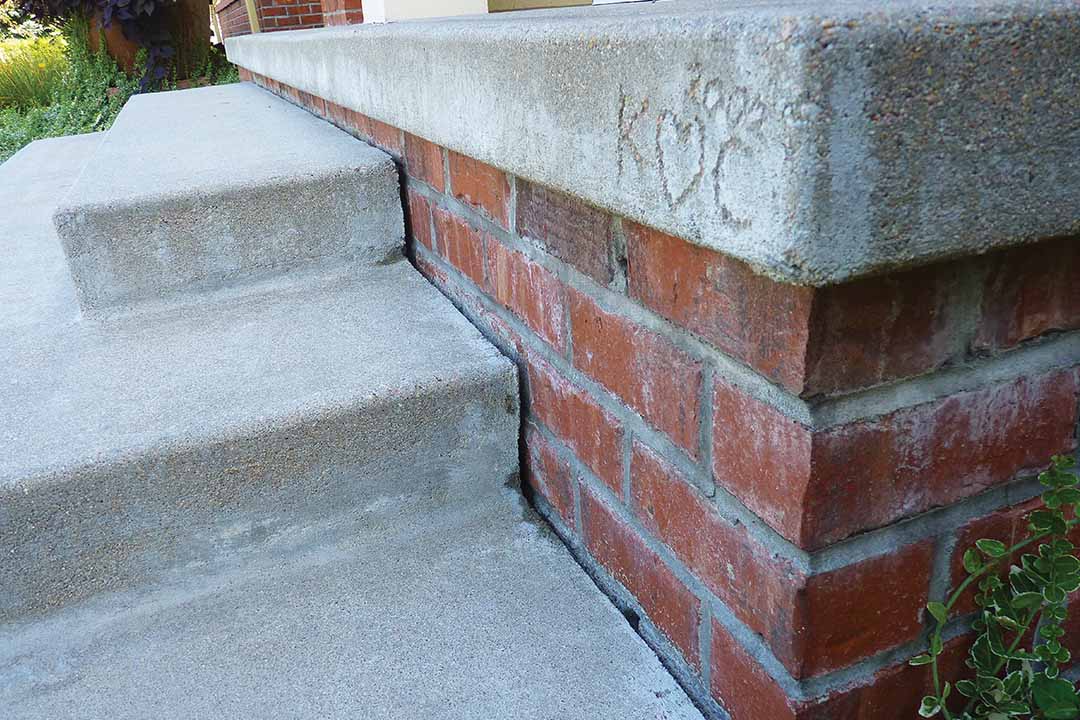
As settlement continues, the stoop may become more uneven, cracks can widen and height differences between the stoop, walkway or steps become more pronounced. These changes increase the risk of trips and falls while making your home’s entry less stable.
Stage 3
Continued Settlement and Water Problems
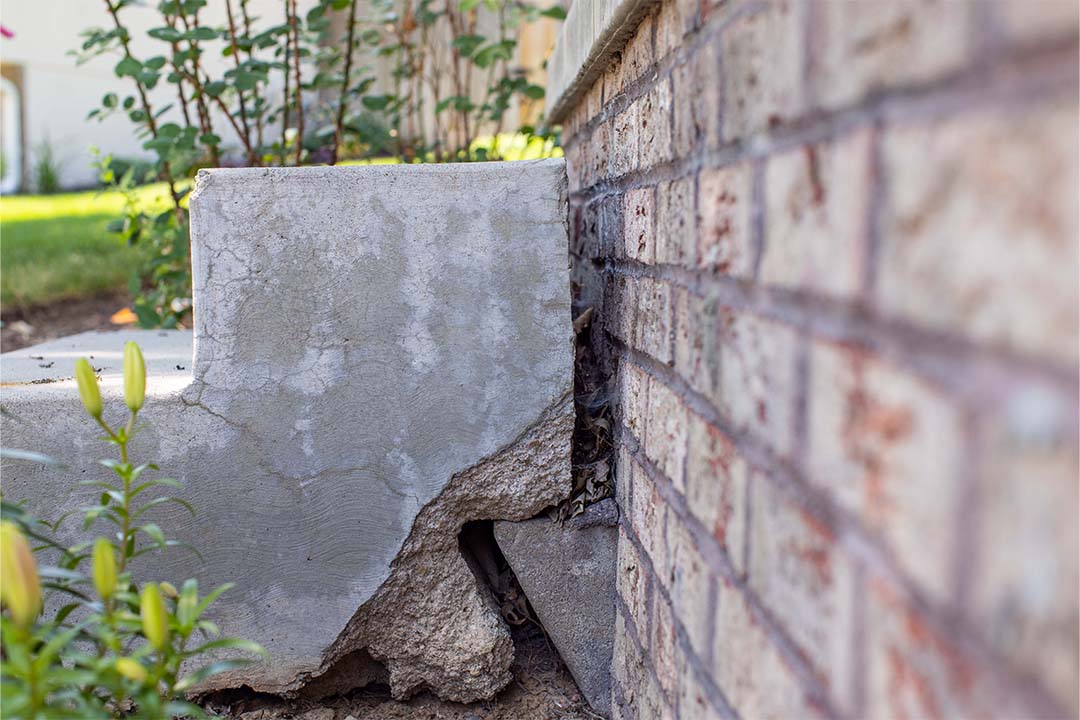
If it goes unrepaired, the stoop may keep sinking as the underlying soil loses further support. Larger gaps can allow water to collect near the foundation, increasing the potential for soil erosion and making future repairs more extensive. Addressing the problem early often helps prevent further settlement and restore a safer, more stable entrance before the damage progresses.
How NV Waterproofing and Foundation Repair Permanently Repairs Sinking Stoops
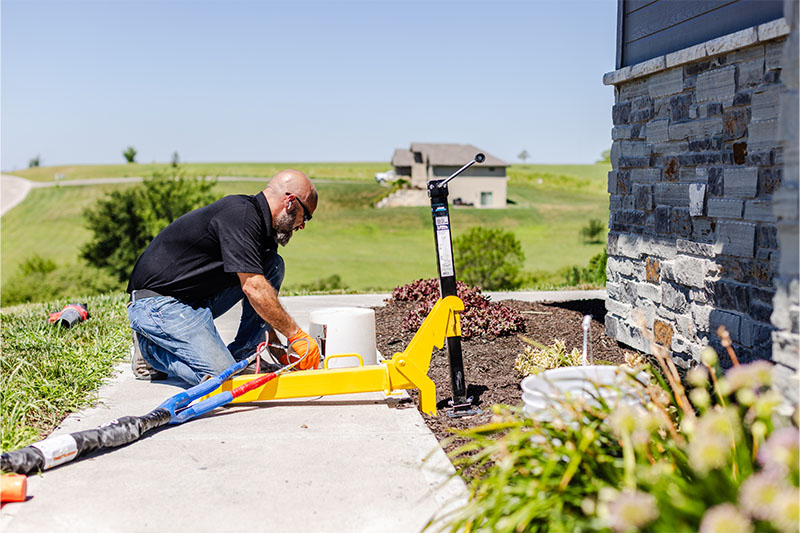
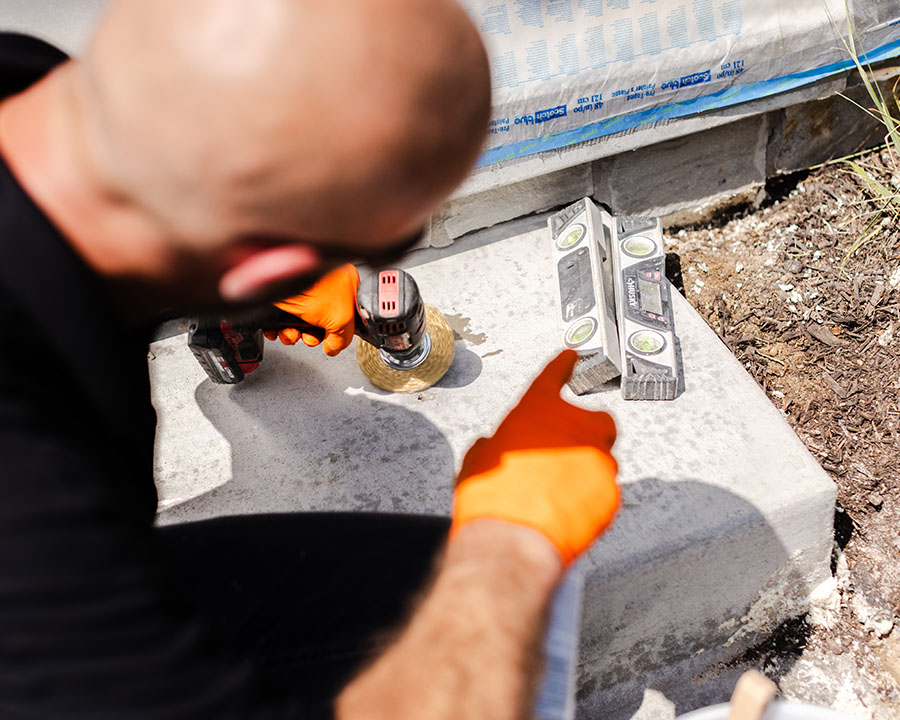
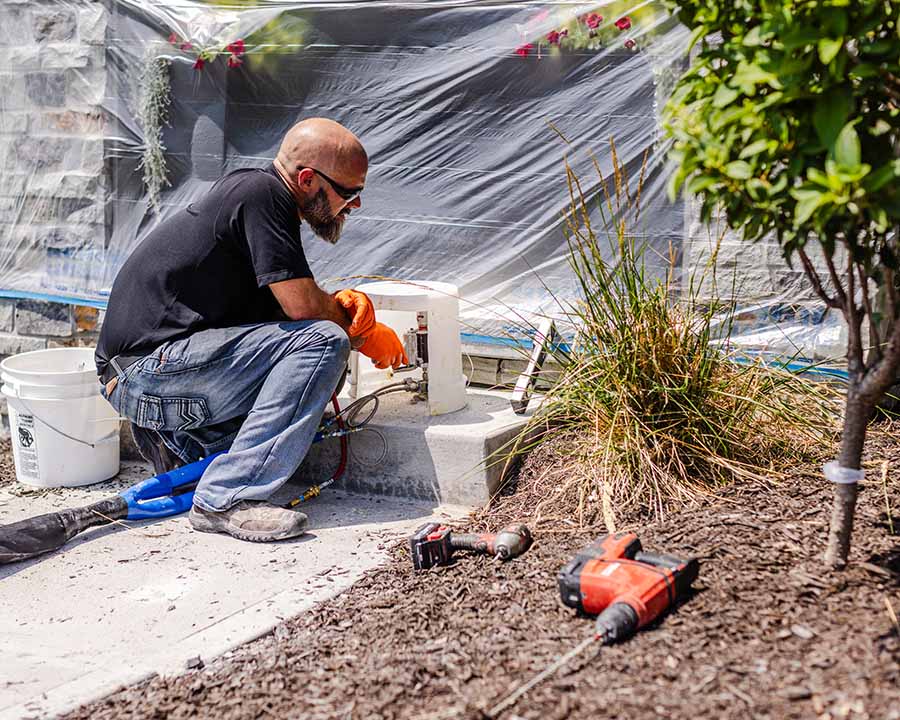
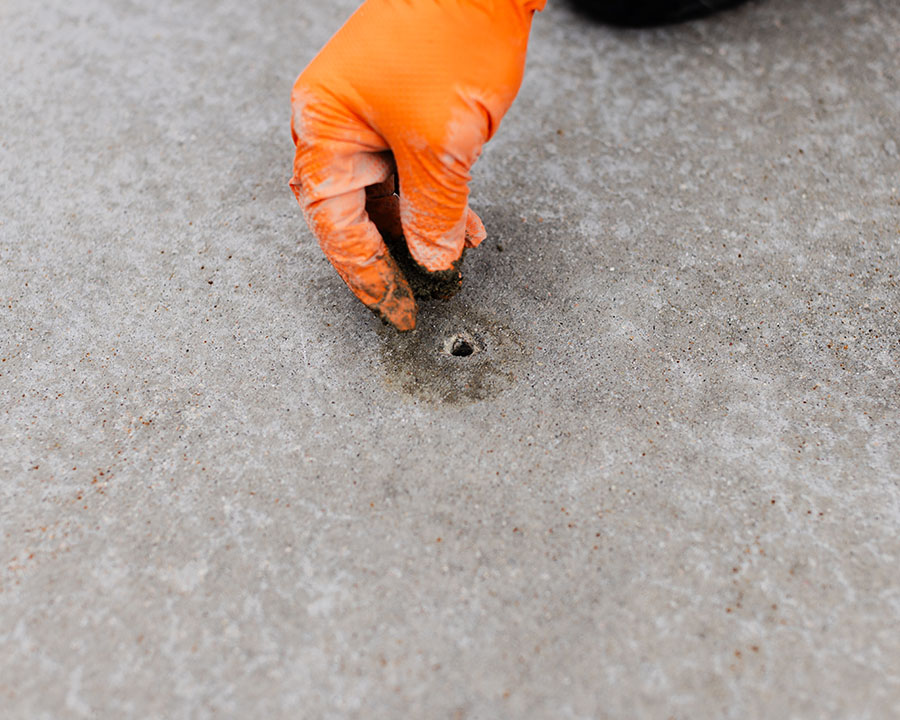
When a front stoop settles, the underlying soil is typically the source of the problem, not the concrete itself. That's why NV Waterproofing and Foundation Repair opens every repair with a complete inspection to identify why the stoop settled, not simply how to lift it. By addressing the underlying cause before making repairs, we help deliver a more reliable, long-lasting solution. Using the PolyLevel® concrete lifting system, we fill voids beneath the stoop, stabilize the supporting soil and carefully raise the concrete toward its proper position. The result is a safer, more level entry that helps reduce further settlement and extends the life of your existing concrete.
How It Works
NV Waterproofing and Foundation Repair's Process for Permanently Lifting and Stabilizing Sinking Stoops

What To Expect
Ready to get started?
Schedule a free estimate to start your repair journey with Thrasher.

Schedule your inspection
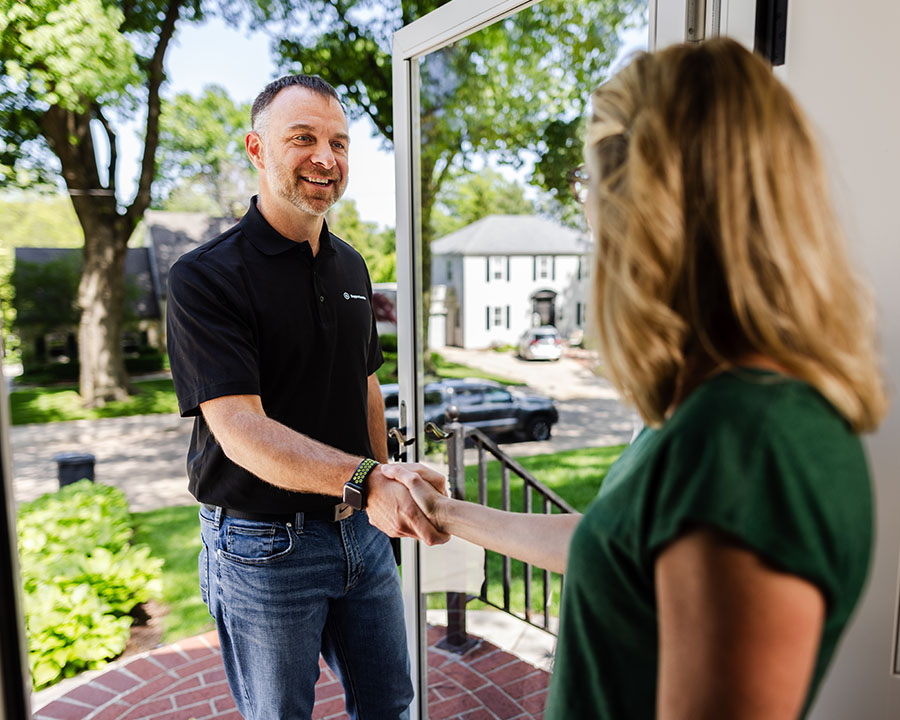
Fill out our form or give us a call to book your inspection. Share what you’ve noticed so we can send the right expert to your home.

Full home
inspection
An expert will inspect the problem area and surrounding conditions, including soil movement, drainage, structural integrity, and any related concerns.

Clear explanation
of findings
We’ll walk you through what we’re seeing in easy-to-understand language so you know the root cause of the issue, not just the symptoms.

Review recommendations
If repairs are needed, we’ll outline your options, pricing, and timeline so you can make the best decision for your home.
Schedule your free inspection—
It'll only take
a minute
Meet with a trusted expert, and get
clear answers about your home.